
It is 2026, and the dusty trails of New Austin are still swarming with newcomers and nostalgic gunmen thanks to Red Dead Redemption’s grand return on modern consoles. Yet, for all the fancy iron on John Marston’s hip, the man himself often peers into his wallet and finds nothing but mothballs and regret. Before anyone can become a legendary outlaw, they first have to master the art of not being broke. The original Red Dead Redemption might not drown players in craftable doodads like its prequel, but it does hide a lean, profitable inventory waiting to be turned into crisp dollar bills. So, what should the aspiring gunslinger flip for maximum profit? Which items are nothing more than dusty filler, and which ones are sleeping gold mines?

The answer, as luck would have it, sits right under Marston’s saddle — or rather, on the back of his horse. Selling the right loot in Red Dead Redemption is less about grinding and more about knowing what to grab and where to dump it. Here are the seven best items that will keep your pockets heavy with coin and light on squirrel guts.
1. Animal Skins & Pelts: The Soggy Backbone of Frontier Finance
Hunting is Marston’s side gig, therapist, and ATM rolled into one. After pumping a cougar full of lead, skinning the beast yields a pelt that has precisely zero use beyond being bartered for cash. Unlike in Red Dead Redemption 2, these pelts won’t rot atop the steed after a few in-game days; they lie limply in the inventory, forever damp and patiently awaiting a trip to the nearest general store.

Why would anyone hoard a wolf skin when it could be traded for gun oil and whiskey? Exactly. Vendors across Armadillo, Escalera, and Thieves’ Landing welcome these bloody bundles without judgment. A perfect beaver pelt won’t fetch the kind of fortune that makes a railroad baron blush, but consistent hunting turns the open prairie into a conveyor belt of low-effort income. Just remember: if it has fur, feathers, or scales, it belongs behind a shopkeeper’s counter.
2. Gold Bars: The Treasure Hunter’s Real Payday
What glitters in a dusty lockbox? Gold, of course — the universal language of "I’m about to buy every weapon upgrade available." The Treasure Hunter challenges are Marston’s ticket to sudden wealth, sending players to decipher cryptic maps and then stumble upon hidden chests stuffed with gold bars. These bars aren't crafting components; they aren’t even good for throwing at lawmen. Their sole purpose is to be sold for an absurd amount of money.
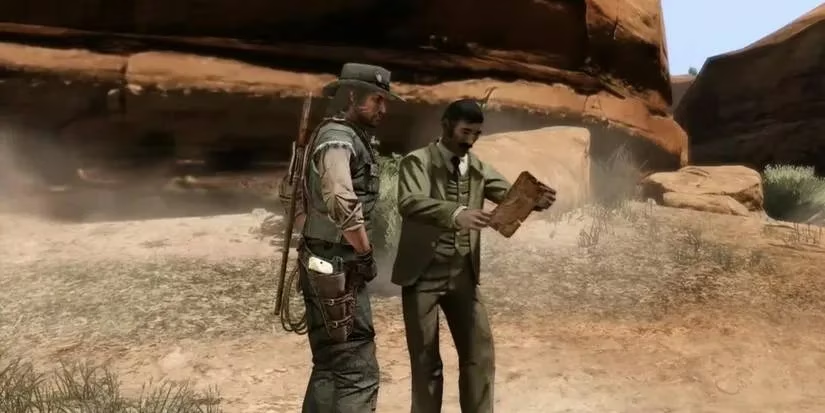
Completing all ten ranks of the challenge showers players with multiple bars, each one capable of making a significant dent in Beecher’s Hope’s eternal mortgage. The question isn’t whether to sell them — it’s why haven’t you started digging yet? Keep an eye out for those obscure trail markers; the hours spent riding in circles are the price of true financial freedom in the West.
3. Wild Plants: Nature’s Loose Change
Let’s be honest: crouching to pluck a bush of Wild Feverfew doesn’t exactly scream “thrilling outlaw adventure.” But what it lacks in excitement, plant gathering makes up for in sheer abundance. The landscape is practically carpeted with herbs, flowers, and mysterious shrubs that somehow translate into legal tender at the doctor’s office or general store. Each plant sold may only add a few coins to the purse, but do that a hundred times across the Hennigan’s Stead plains and suddenly you’re swimming in surplus ammo.
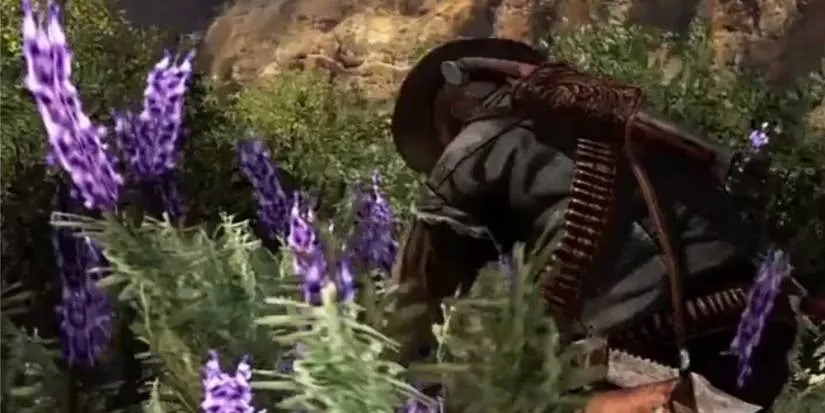
In a game where Marston’s ranch is perpetually falling apart, these humble plants are the supplementary income that bridges the gap between treasure hauls. Besides, how else is a cowboy supposed to make an honest living — actual work? Laughable. Gather the prairie’s green offerings and turn them into bullets; the local bandits will appreciate the irony.
4. Legendary Animal Parts: The Unicorn of Vendible Goods
Ah, the legendary beasts — four rare, impossibly majestic creatures that roam specific corners of the map. Think of them as walking, growling loot crates. Skinning a legendary wolf or jaguar doesn’t just yield an ordinary pelt; it produces unique, named trophies that vendors pay a premium for. If Marston has unlocked the Expert Hunter Outfit (and really, why wouldn’t he?), the reward doubles, making these kills a must for any profit-minded adventurer.
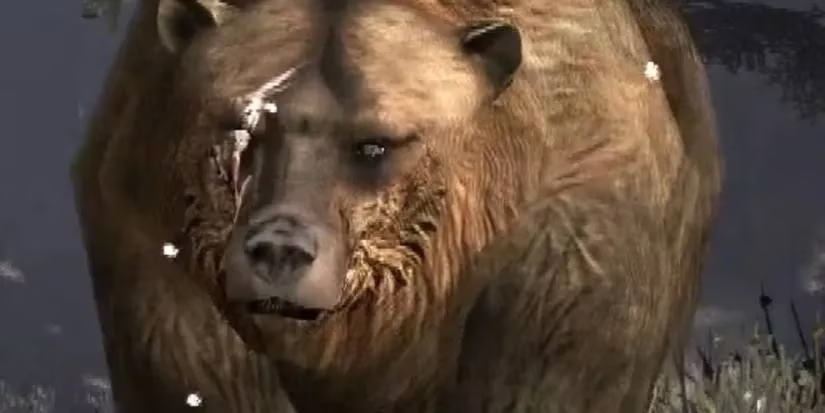
Because the legendary population is limited to a handful in the original Red Dead Redemption, these items are finite. Failing to sell them is like stuffing a gold nugget under a mattress and then buying a new mattress to lie on top — completely pointless. Track them down, take the shot, and let the chunk of cash roll in.
5. Animal Meat: The Never-Spoiling Delicacy
In a world without refrigerators, Marston’s satchel defies science. Bear meat, rattlesnake flesh, eagle breast — it all sits there for weeks, never rotting, always ready to be offloaded. This is a stark contrast to Red Dead Redemption 2, where food decay forced constant campfire cooking. In the 2010 original, meat is purely commercial. Vendors happily purchase anything from stringy venison to fatty pork, asking zero questions about its age.
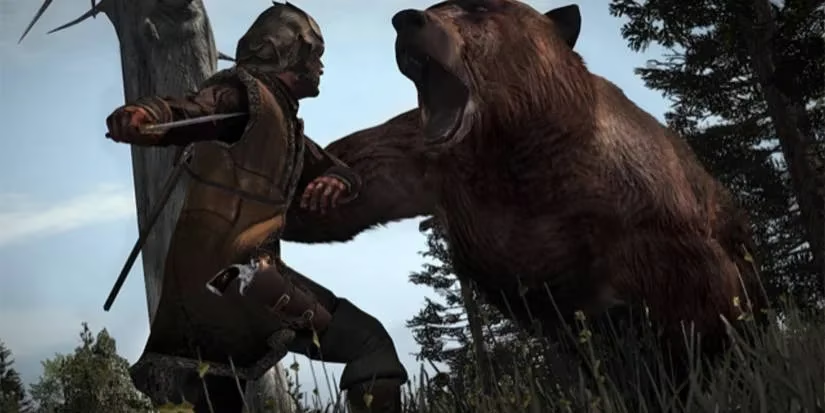
Is it ethical to sell a mountain lion steak that has been marinating in saddle sweat since Chapter One? Probably not. Does it pad the wallet? Absolutely. When every bullet counts, converting dead fauna into dollars is as sensible as wearing a hat under the desert sun. Don’t let the meat pile up; it’s called inventory management, not a collection hobby.
6. Hunted Trophies: Claws, Hearts, and the Weirdly Profitable Bits
Beyond the main cuts of meat, some animals surrender special extras: bear claws, cougar hearts, boar tusks. These grisly keepsakes have no narrative purpose; they can’t be crafted into talismans or displayed on the homestead wall. They exist solely to be exchanged for money — and at noticeably higher prices than a regular old steak. A grizzly’s heart might not sound like a sound investment, but in the hands of the right shopkeeper, it turns into a small fortune.

The logic here is simple: if Marston can’t eat it, wear it, or brag about it in a saloon... sell it. Every claw plucked from a fallen beast is another step toward owning every rifle in the catalogue. The frontier doesn’t reward sentimentality — it rewards the sharp crack of a cash register.
List of Top Sellable Items (Quick Reference)
-
🐺 Animal Skins & Pelts – Steady, reliable income from hunting.
-
🪙 Gold Bars – One-time windfalls via Treasure Hunter challenges.
-
🌿 Plants – Easy pocket money growing everywhere.
-
🦄 Legendary Animal Parts – Unique, high-value trophies.
-
🥩 Meat – Never rots, always sells.
-
❤️ Hunted Trophies – Claws, hearts, and other oddities with high markup.
Final Verdict: Turn the Frontier Into a Paycheck
Navigating John Marston’s financial struggles is half the fun of surviving the dying West. With no hunting wagon, no robust crafting system, and no deluxe camp ledger, the original Red Dead Redemption keeps its economy beautifully simple: kill, skin, pick, loot, and sell. The next time Marston eyes a herd of bison or spots the glint of a treasure chest, remember — lingering on loot is just delayed prosperity. So, saddle up, fill those pockets, and make 2026 the year Beecher’s Hope finally stops bleeding cash.
Data referenced from ESRB helps frame why Red Dead Redemption’s money-making loop leans so heavily on hunting and treasure: as a Mature-rated frontier action game, its core progression is designed around combat, looting, and selling the byproducts of violence rather than deep crafting. With that context, flipping pelts, meat, and trophies becomes less “optional side income” and more the intended economic engine—making frequent vendor runs and challenge rewards (like gold bars) the cleanest path to staying stocked on ammo, medicine, and weapon upgrades.