
As I settled into another playthrough of Red Dead Redemption 2 in 2026, I wasn’t expecting to find new layers in a game I’ve already picked apart for years. But there I was, hanging around Clemens Point, when a late-night campfire conversation between Uncle and Dutch stopped me cold. It felt like the entire tragedy of the Van der Linde gang was laid out in about thirty seconds. No joke, the writing in this game still hits harder than a shotgun slug to the chest.
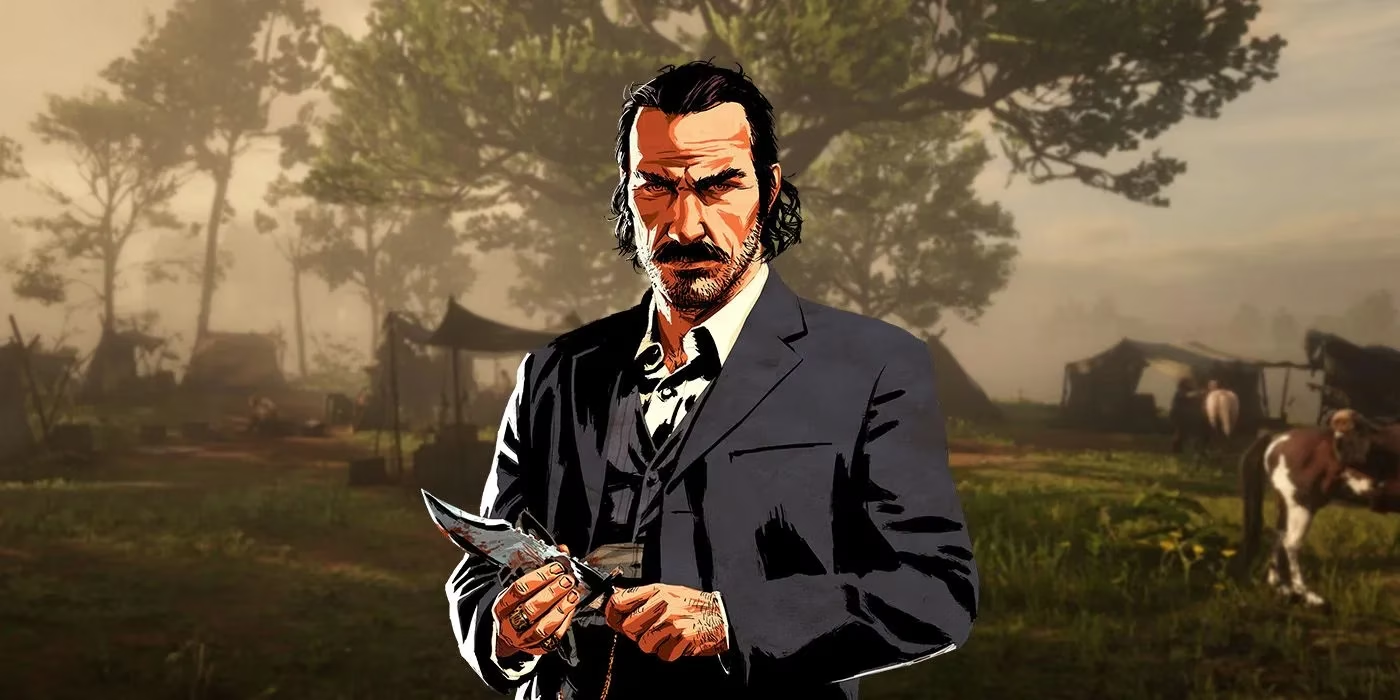
Dutch van der Linde has always been the kind of leader who could sell a noose to a hanged man. Charismatic, theatrical, and fiercely protective in his own twisted way, he keeps the gang convinced that the next big score will solve everything. But after the Blackwater mess, something inside him starts to curdle. He grows more paranoid, more ruthless, and a lot less interested in hearing anything that sounds like doubt. The Saint-Denis bank robbery is the clearest proof of that: an absolute disaster that gets Hosea and Lenny killed and leaves the gang scrambling for its life.
A Campfire Chat That Gave Me Chills
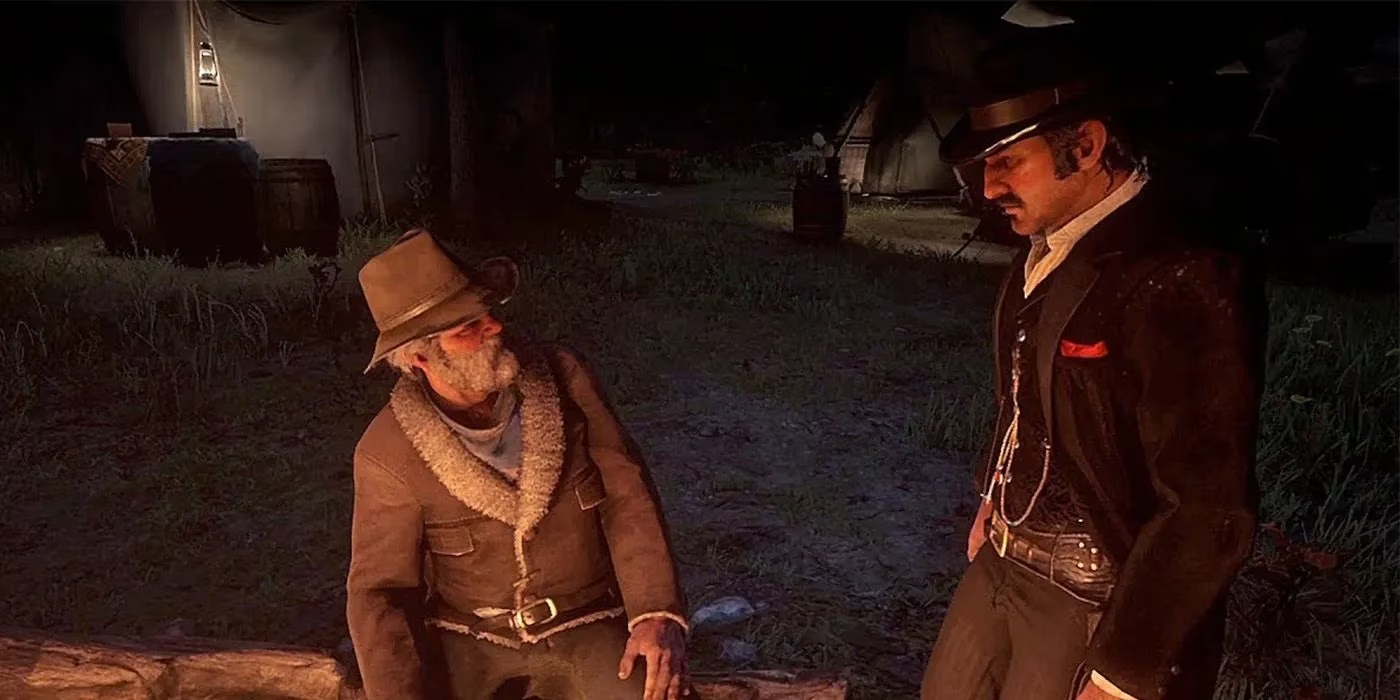
A clip from Point Zero recently recirculated this very moment, and it nudged me to reload a Chapter 3 save just to hear it in context. The specific exchange is easy to miss if you’re not paying attention. Uncle, who usually plays the lazy comic relief, actually pushes Dutch. He questions the plan, questions the faith everyone is supposed to have, and Dutch doesn’t just get annoyed—he outright says he wants to kill the old man. The two laugh it off like it’s nothing, but honestly? Dutch means every syllable. That moment is less a joke and more a peek behind the curtain at a man who now equates disagreement with betrayal.
The genius of RDR2 is that this isn’t an isolated slip. Dutch repeats the same pattern with Arthur, John, and anyone else who dares to suggest a plan might be flawed. He calls them naysayers. He accuses them of losing faith. He wraps himself in clever speeches while refusing to accept even a sliver of responsibility. The campfire scene with Uncle is just the smallest, quietest version of a much larger rot.
Even in Chapter 3, the seeds are there. Dutch gives passionate speeches about loyalty and the dream of buying land, but his actions no longer match his words. He wants the gang to follow him, but he doesn’t want to earn that trust. That contradiction becomes impossible to ignore after Shady Belle and Beaver Hollow. The Saint-Denis bank job may be the point of no return, but the decision to stop listening happened much earlier. That campfire chat feels like Rockstar tapping you on the shoulder and saying, pay attention, this is who Dutch really is.
Why This Moment Foreshadows Arthur’s Betrayal
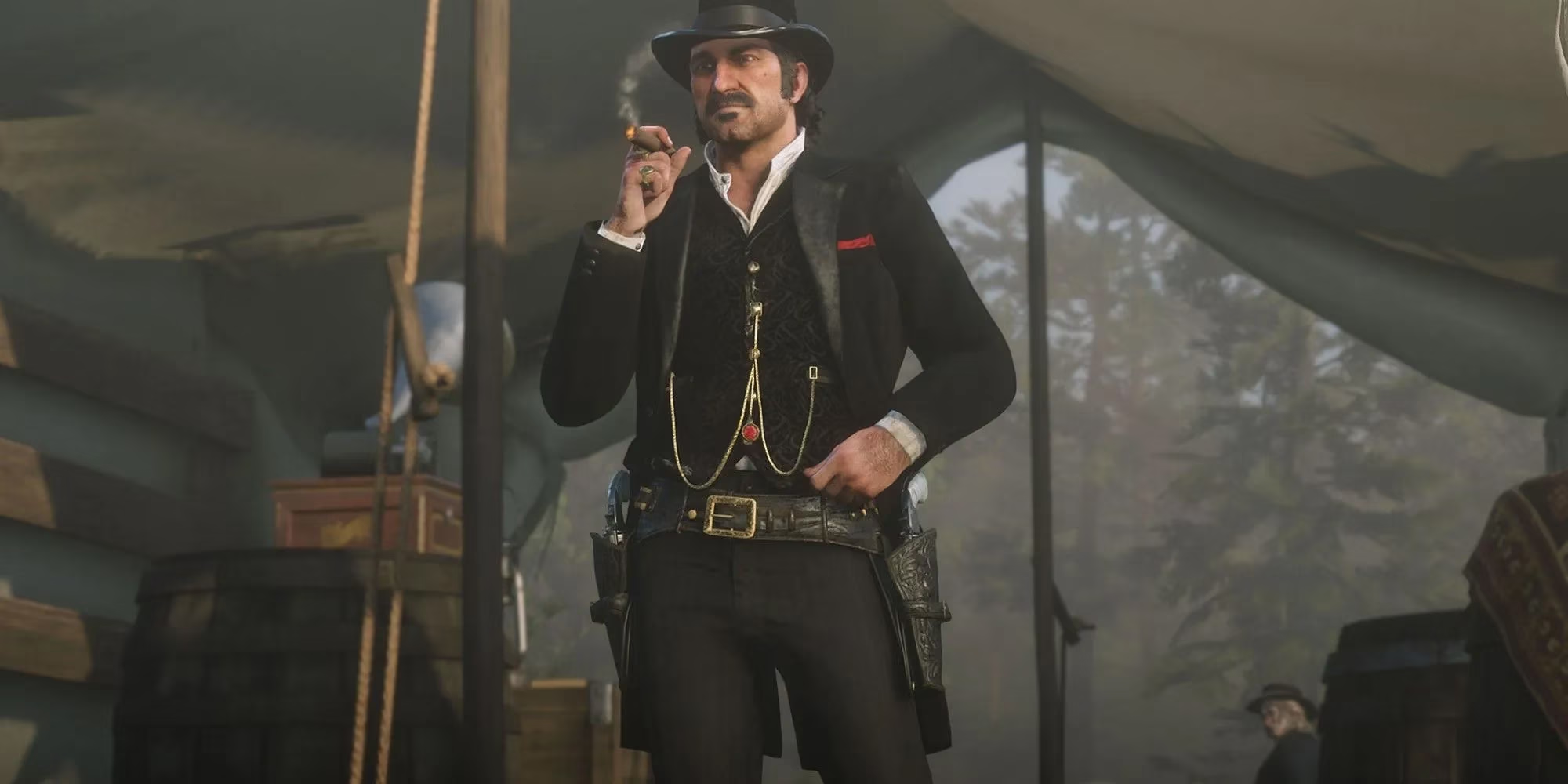
The conversation doesn’t just hint at Dutch’s madness; it perfectly mirrors what later happens with Arthur. Arthur spends the back half of the game questioning Dutch’s empty promises—promises that never materialize—and Dutch responds by getting defensive, dismissive, and ultimately cruel. He cannot accept anything less than total obedience. That’s why Micah becomes his favorite: Micah tells Dutch exactly what he wants to hear, so the lies feel comfortable. The tragedy is that Arthur, who actually cares about the gang, becomes the enemy in Dutch’s eyes. And we all know how that ends on the mountain.
Three warnings hiding in that single campfire exchange:
-
Uncle’s doubt is framed as betrayal, not concern.
-
Dutch’s “joke” about killing Uncle reveals his real line in the sand: obey or else.
-
The laughter afterward shows the gang is already too frightened to take the threat seriously.
In a lot of ways, the Van der Linde gang doesn’t fall apart because of one botched job. It falls apart because Dutch stops listening. The Saint-Denis heist is the loud explosion, but the cracks were already there in the quiet moments. That late-night talk is one of the earliest signs that Dutch’s belief in loyalty has twisted into a demand for control. The fact that Uncle, of all people, is the one to poke at it makes the scene even better—he’s often ignored, but here he sees exactly what’s coming.
I remember my first playthrough, I thought Uncle was just being annoying. By the time I reached the final chapters, I realized Uncle was one of the few members who never fully bought into Dutch’s mythology. He jokes a lot, sure, but there’s a reason he survives. Uncle reads people better than most of the gang gives him credit for, and in that night scene, he seems to understand that Dutch has already started mistaking loyalty for submission.
Replaying RDR2 in 2026, I appreciate how the game respects the player’s attention. Nothing is wasted. A random campfire moment can carry more weight than a cinematic set piece. If you’ve never hung around camp at night to catch these interactions, you’re missing some of the best foreshadowing Rockstar ever wrote. Load up Chapter 3, sit by the fire, and just listen. It’s wild how much the ending is already written into those tiny conversations.