
It’s 2026, and the race to build the biggest open world is still going strong. Every major studio seems convinced that a map the size of a small country is the golden ticket to player engagement. Yet, despite all the technological leaps—seamless loading, ray-traced forests, and AI-driven NPC chatter—many of these sprawling landscapes feel emptier than a corporate lobby on a Sunday morning. Players are drowning in map markers, and the buzzword “player agency” has somehow mutated into a to-do list of chores. Let’s be real here: no amount of procedurally generated terrain can hide a lack of meaningful content.
There was a time when sheer scale alone could sell a game, but in 2026, gamers are getting savvier. Huge worlds now run a serious risk of becoming bloated with repetitive fetch quests that add nothing to the story or the flavour of the setting. It’s a problem that has plagued franchises for years—Assassin’s Creed being a notorious offender, often packing lifeless NPCs into gorgeous but soulless environments. And it hasn’t gotten much better. Recent blockbuster releases in 2025 and early 2026 have doubled down on that philosophy, scattering shallow errands across continents while marketing the “biggest map ever created.” The result? A collective shrug from the community.
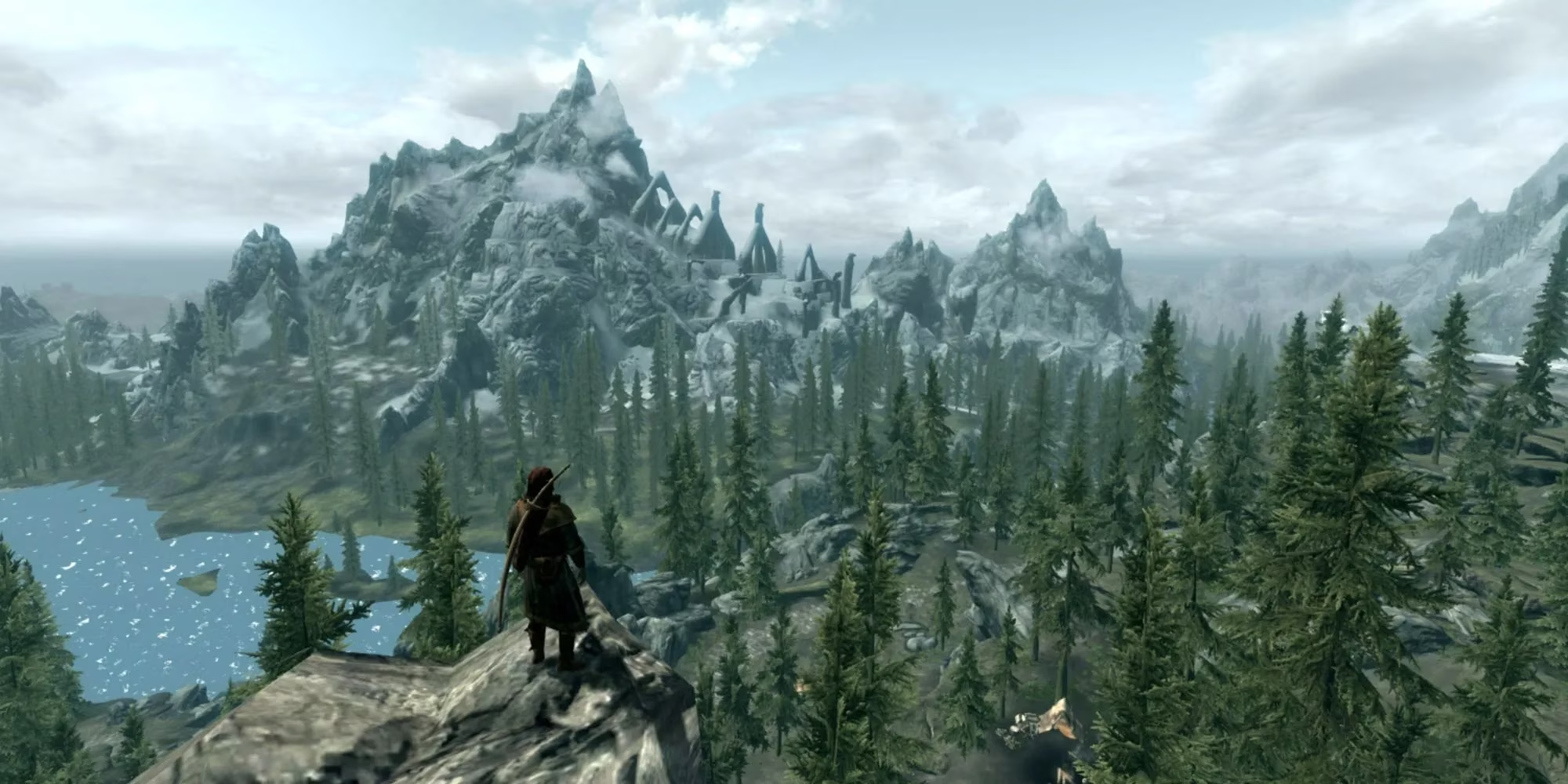
Not all open worlds are victims of their own ambition. Titles like The Witcher 3 and Red Dead Redemption 2 are still held up as gold standards in 2026—and for good reason. Their side-quests don’t just pad runtime; they pull you deeper into the world and its people. Who could forget Marko Dragic’s bizarre robotic journey in Red Dead 2, or the legendary Skyrim quest where you murder a woman at the request of a creepy orphaned child? These moments stick with us because they tell a story, not because they add +50XP. The problem is that as development costs soar, studios would rather cut writing budgets than shrink their map. More square kilometers with fewer memorable faces—that’s a trade-off nobody asked for.
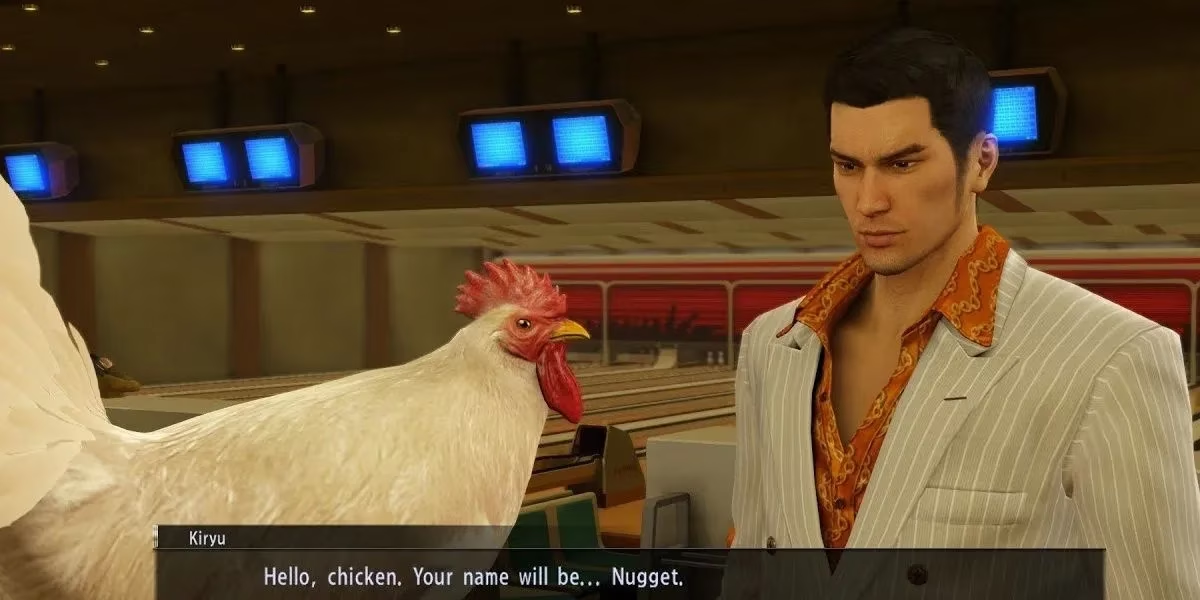
On the other end of the spectrum sits a series that stubbornly refuses to balloon out of control: Yakuza (or Like a Dragon, depending on the year). With every entry, from Yakuza 0 all the way to 2025’s Like a Dragon: Infinite Wealth and its subsequent DLC, Ryu Ga Gotoku Studio has proved that a small, dense playground beats a continent of nothing every time. Kamurocho, Sotenbori, and Honolulu feel alive not because they’re massive, but because they’re packed with personality. You can duck into a dozen restaurants with unique menus, play claw machines at Club Sega, buy ridiculous snacks at Don Quijote, or belt pitches at a batting cage. That’s before you even touch the sub-stories.
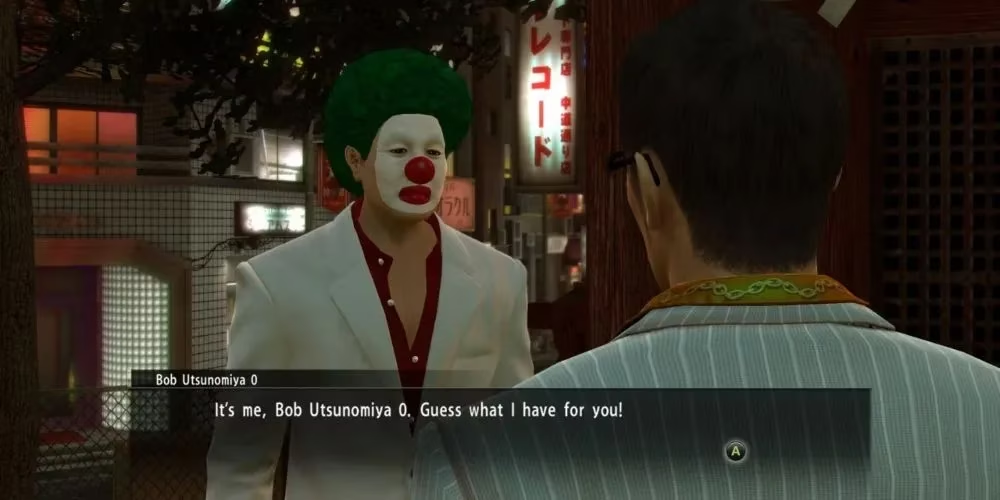
And oh, those sub-stories. The real soul of the Yakuza universe lives in its NPC encounters. Walk down a street, and you might bump into a shy dominatrix needing career advice, a grown man dressed as a human statue, a pair of punks who have no idea how to act tough, or the legendary Mr. Libido—a nearly naked man running around with his own unique life philosophy. It’s a wild ride, and every strange interaction reveals something new about the protagonist you’re controlling. In 2026, when a typical open-world NPC asks you to find their lost husband for a few coins, it’s hard not to yawn. Come on, developers! Where’s the absurdity? Where’s the heart? I want quests so unhinged the real reward is sheer disbelief that the studio actually went there.
This contrast has only grown starker over the years. In the time it takes to trudge through a single lifeless side-quest chain in a mega-title, a Yakuza game would have already thrown you into a dance battle, a full-fledged management sim, and a emotionally devastating side plot about a struggling singer. The lesson is crystal clear: size doesn’t equal substance. The industry’s obsession with open-world scale has led to crunch, buggy launches, and experiences that feel spread thinner than butter over too much toast. Meanwhile, smaller, denser worlds manage to surprise and delight without breaking the bank or the soul of the team.
Maybe it’s time for a shift. In 2026, the most memorable moments are coming from games that dare to be intimate. Players are voting with their wallets, too—rising indie titles with compact, vibrant worlds are gaining traction, and even AAA studios are slowly starting to notice. There’s hope on the horizon, but until the marketing machine stops screaming “bigger, bigger, bigger,” we’ll keep longing for more Yakuza-sized adventures. Give us smaller maps bursting with life. Give us weirdos on the sidewalk. Give us a world that feels like it existed long before we arrived and will keep on spinning after we leave. Is that really too much to ask?
At the end of the day, immersion doesn't come from how far you can ride a virtual horse. It comes from caring about what’s around the corner. And right now, too many corners are empty.