
Stepping into a new action-adventure title is like opening a weathered leather-bound book — the heft of potential worlds, the whisper of ink promising secrets. As a gamer in 2026, I've watched the genre evolve from its pixelated infancy into a medium where storytelling can rival the richest films and novels. The mechanics of climbing, fighting, and exploring form the skeleton, but it's the writing that pumps a beating heart into these experiences. A well-crafted narrative doesn't merely guide you from checkpoint to checkpoint; it seeps into your bones, reshaping how you see the characters long after the credits roll. The following games have, for me, elevated writing from a simple script into a masterfully conducted symphony, each note resonating in my memory like an heirloom.
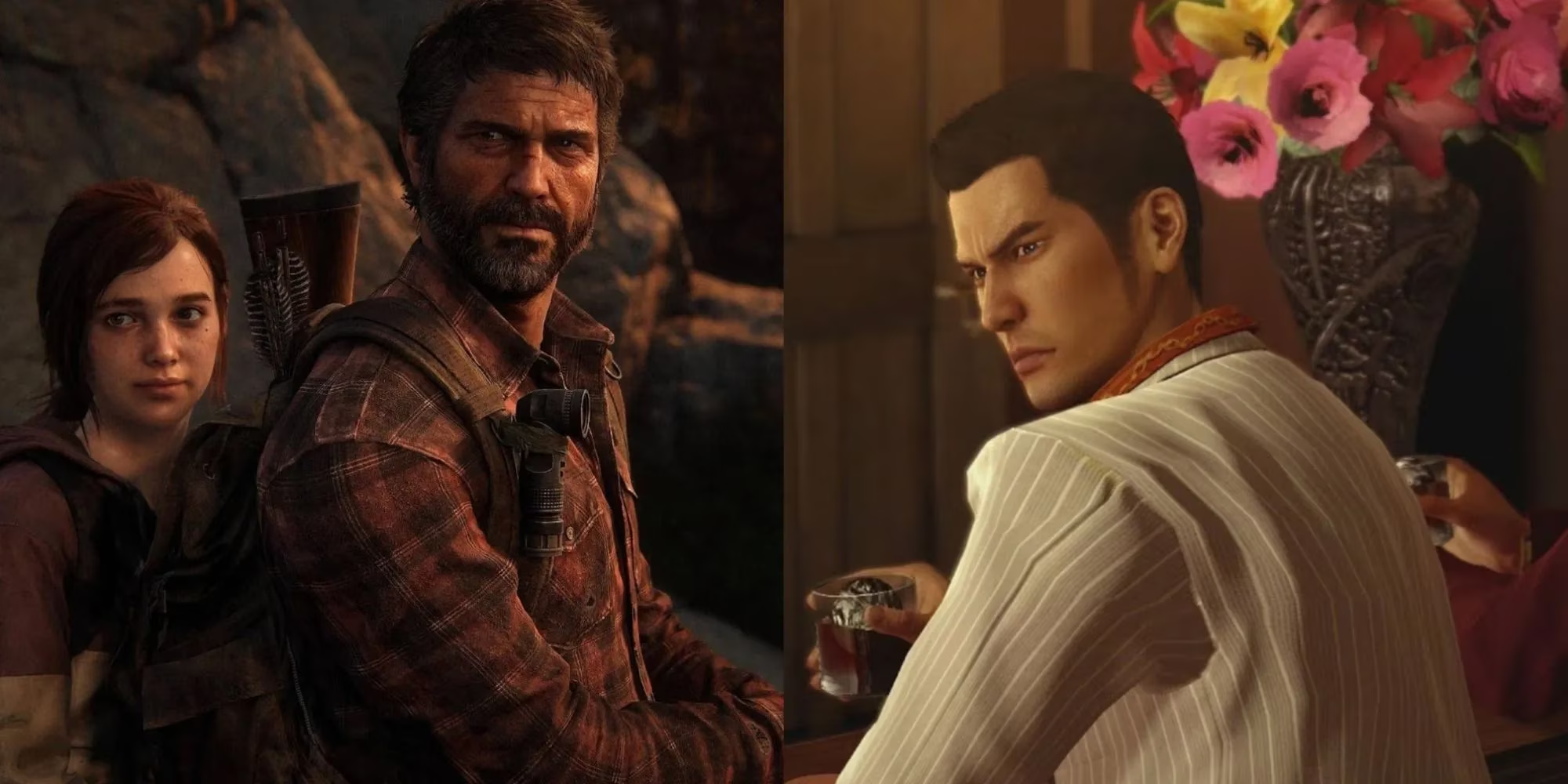
My first true epiphany about writing in games came from Batman: Arkham Asylum. Trapped inside that gothic madhouse, I didn't just control Batman; I inhabited his strained patience and coiled fury. The script, penned with the shadowy elegance of a film noir piece, turned every encounter with the Joker or Harley Quinn into a psychological dance. The dialogue felt like knapping flint — sharp, deliberate, sparking revelations about these timeless rogues. Scarecrow's nightmarish sequences, in particular, didn't just twist the environment; they twisted my understanding of Batman's own fractures. The narrative was a labyrinthine clockwork, each gear fitting so precisely that the eventual escape felt earned, not gifted.
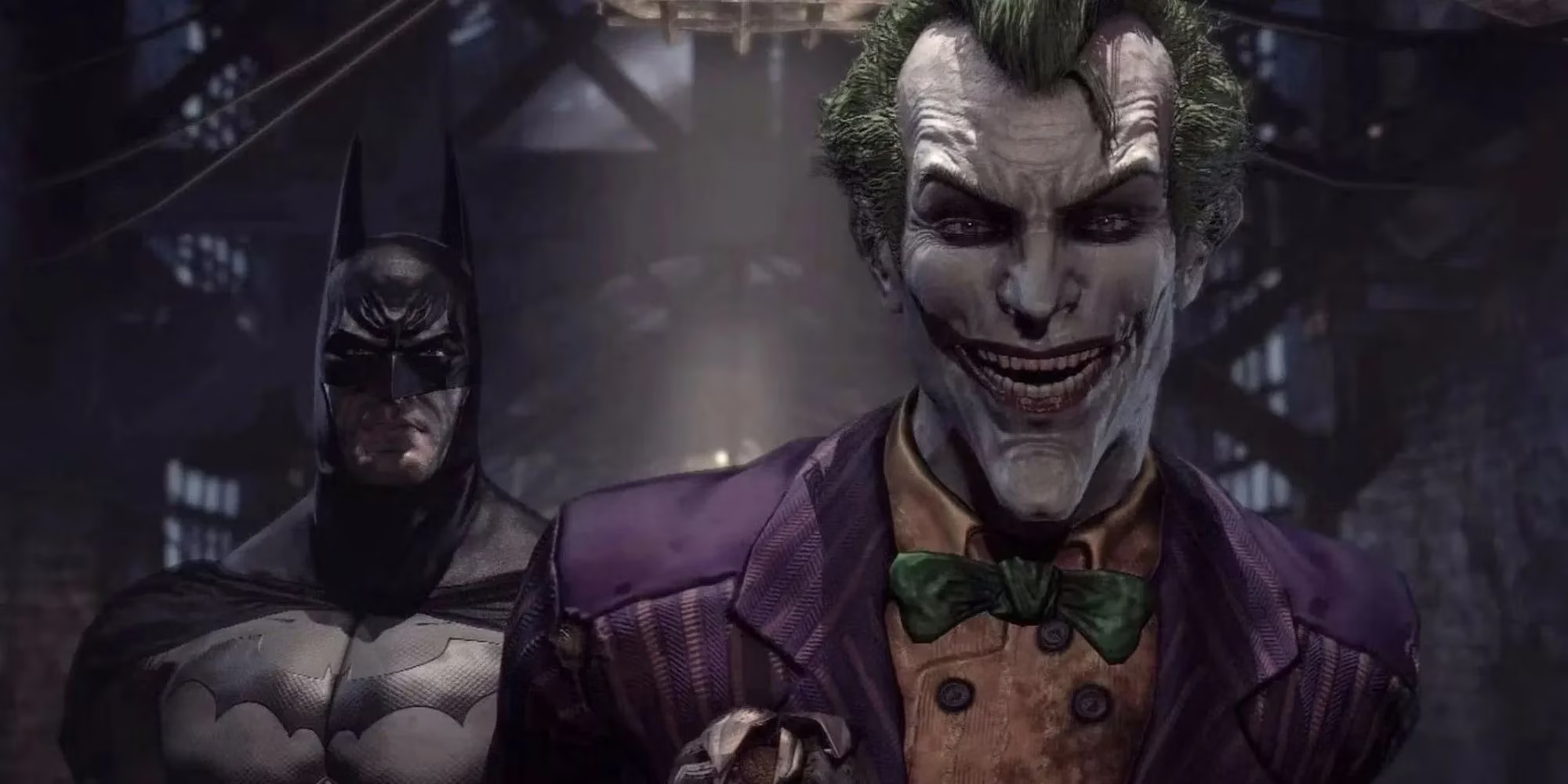
Then came Tomb Raider in 2013, which did something radical: it dismantled Lara Croft's bulletproof persona and rebuilt her with trembling hands. I remember the first time she killed a man to survive — her shocked breath, the way the camera lingered on her blood-spattered face. The writers hadn't just crafted an origin story; they had woven a slow, painful tapestry of transformation. Each of her screams of exertion while climbing a rusted radio tower or her whimpers after a brutal fall made her victories feel monumental. It was like watching a fledgling bird endure a storm, every brittle feather eventually hardening into steel through sheer will.
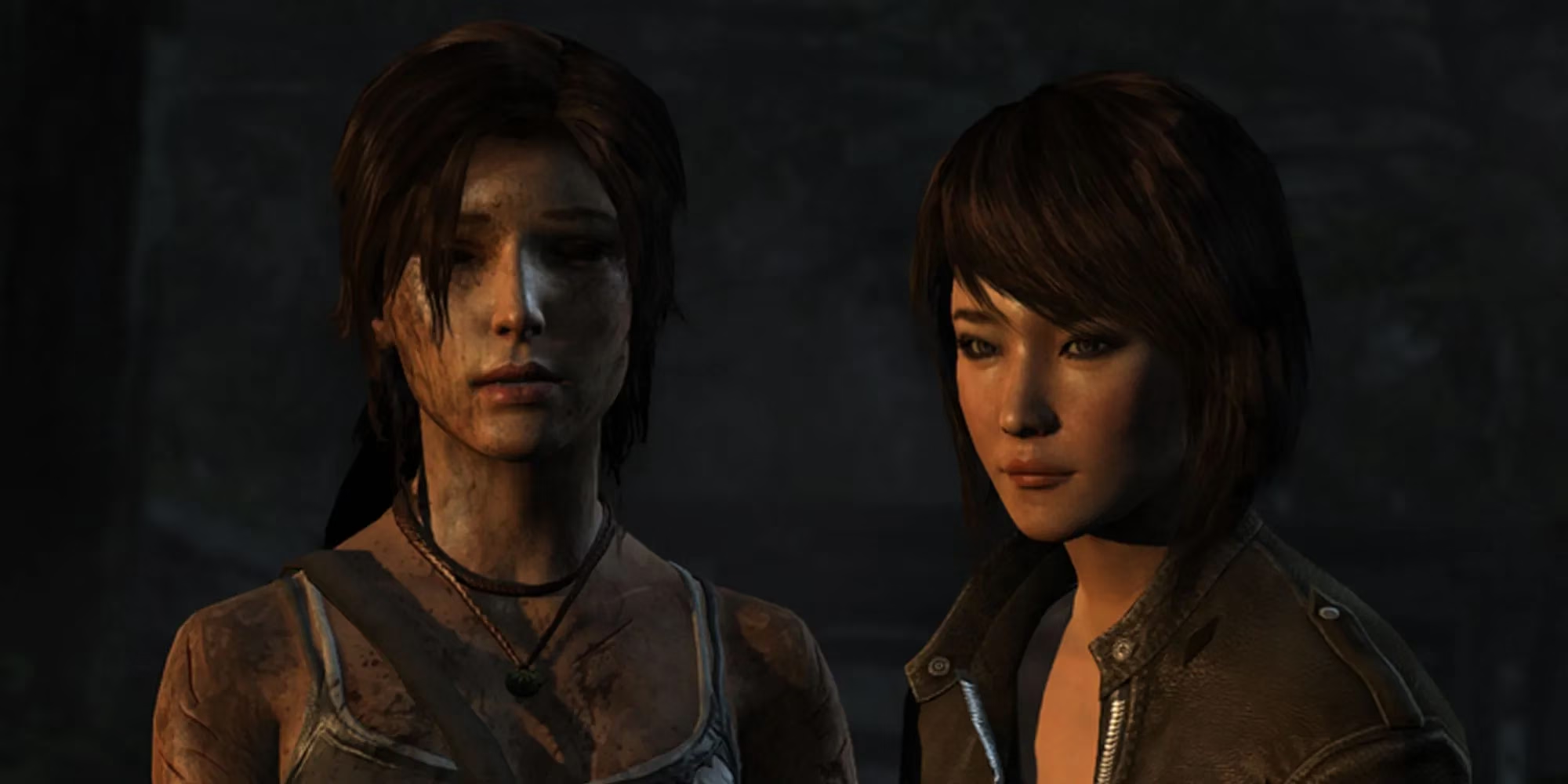
Yakuza 0 blindsided me with its tonal veering from absurdity to heartbreak. One moment I was helping a shy dominatrix gain confidence through bizarre minigames, the next I was witnessing Kiryu and Nishiki share a drink while unspoken grief thickened the air between them. The writing operates like a seasoned bartender — knowing exactly when to serve a colorful cocktail of slapstick and when to pour a neat glass of devastating sincerity. The central conflict over a vacant lot sounds mundane on paper, but the layered betrayals and the tender brotherhood between the leads turned it into a Shakespearean saga set in neon-soaked Kamurocho. By the end, I realized no other game had made me laugh aloud and then quietly weep within the same hour.
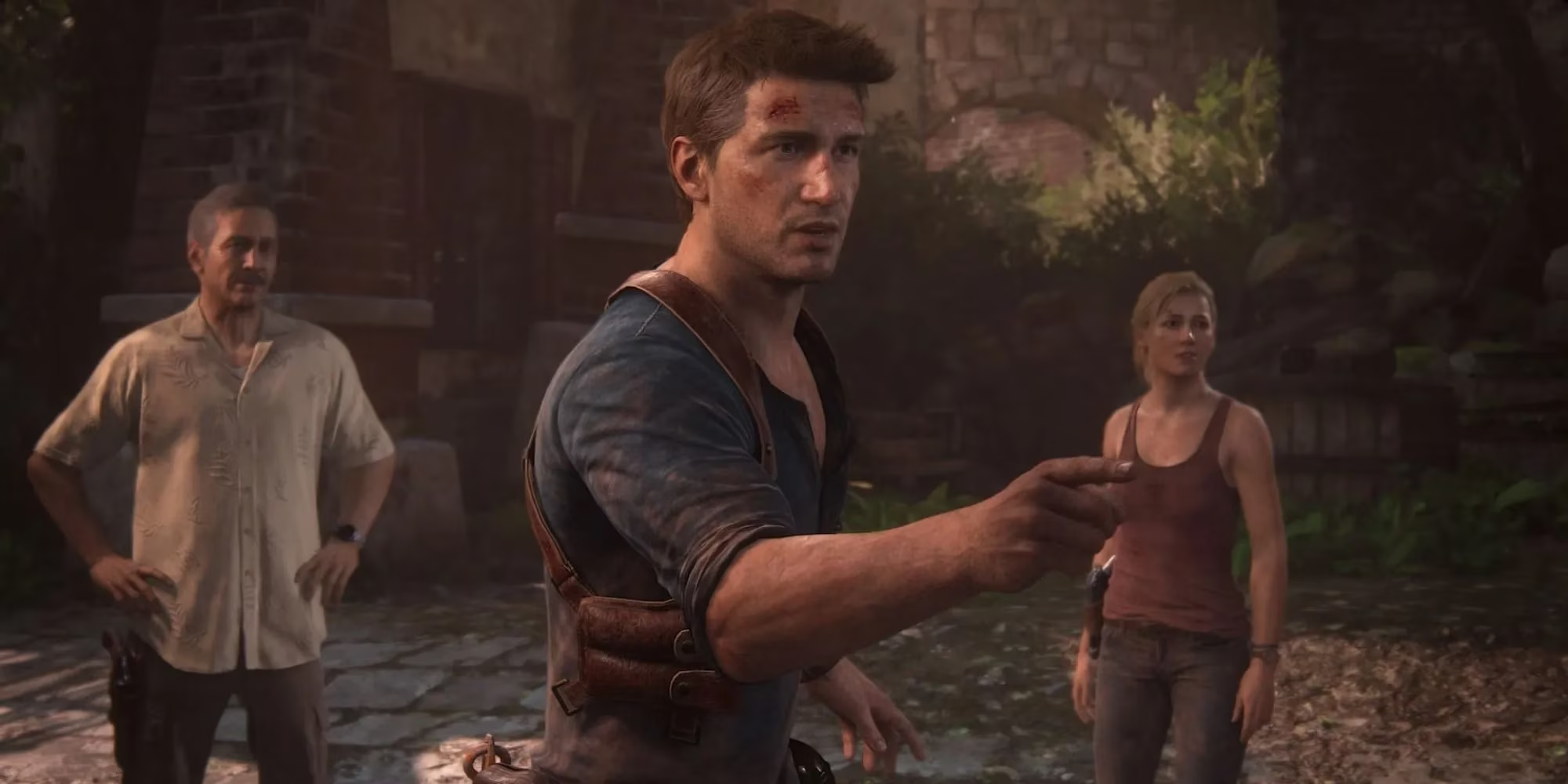
The Uncharted 4: A Thief's End writers didn't need a world-ending threat to hold me captive. They simply put Nathan Drake in a dusty attic, married, and restless, then let the dialogue do its quiet magic. Conversations in this game felt less like scripted exchanges and more like I was eavesdropping on real people. The banter between Nate, Sully, and Elena was a warm current that carried the adventure, full of in-jokes, pauses, and regrets. It reminded me of aged whiskey — smooth, layered, and capable of a sudden burn. The treasure hunt plot was merely a raft; the true journey flowed through the unspoken fear of a man terrified of losing his family to his own addiction for danger.
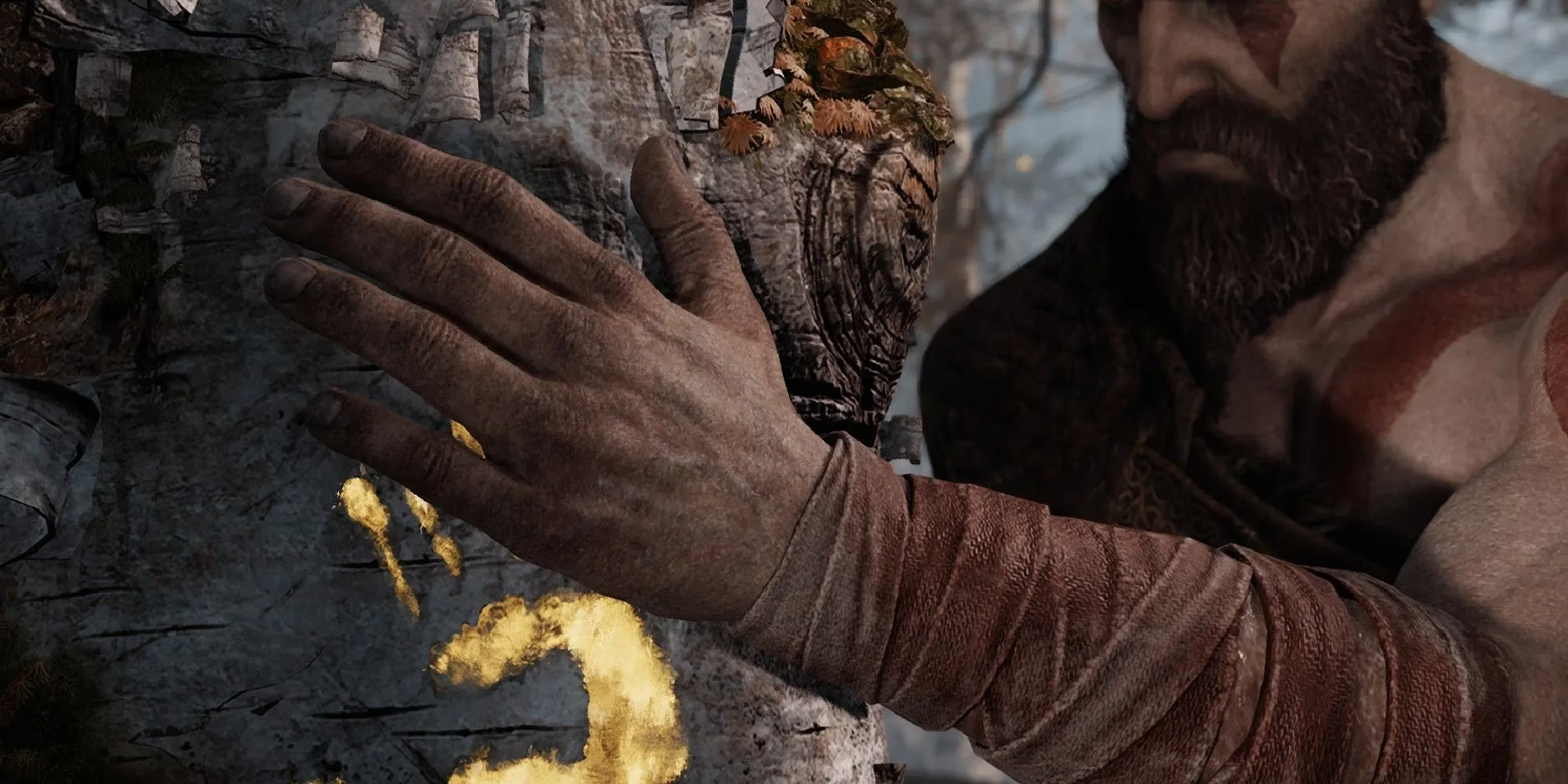
With God of War (2018), I witnessed a ghost learn to become a father. The writing is a study in volcanic restraint; Kratos, a man who once spoke in roars, now wields words as cautiously as his Leviathan Axe. The journey to scatter Faye's ashes became a pilgrimage where every grunt of “Boy” and every slain troll echoed the distance between a damaged god and his curious son. Quiet canoe rides through the Lake of Nine were filled with Mimir's tales, but the true narrative forge was in the silence, where Atreus' questions and Kratos' hesitant answers slowly chipped away at an ancient, frozen grief. The emotional payoff landed with the weight of a collapsing glacier — devastating and renewing all at once.
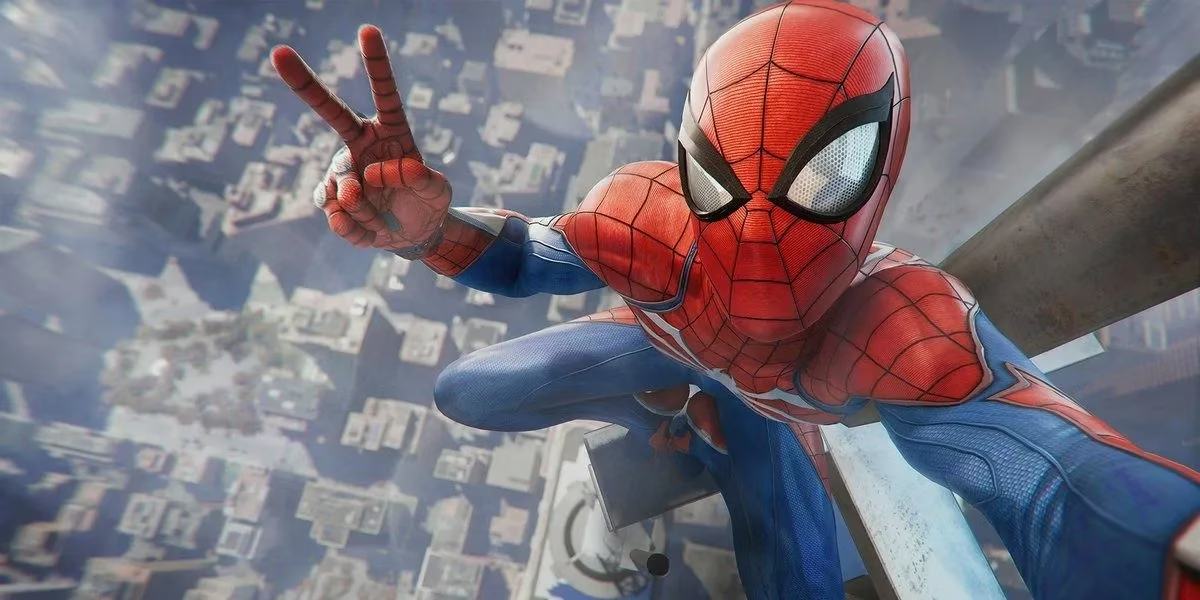
Swinging into Marvel's Spider-Man, I expected quippy heroics. I received a masterclass in balancing public valor with private agony. Peter Parker's texts to Mary Jane, his voicemails from Aunt May, and the desperate choices he faced while the city crumbled — all of it felt immediate and human. The game’s writing refused to let Doc Ock or Mr. Negative descend into caricature. Instead, it gave them motives as carefully constructed as a watchmaker's springs, each action ticking inevitably toward heartbreak. When the final confrontation under a fractured sky arrived, I was no longer holding a controller; I was clinging to the fraying threads of a friendship, and Peter's screams were mine.
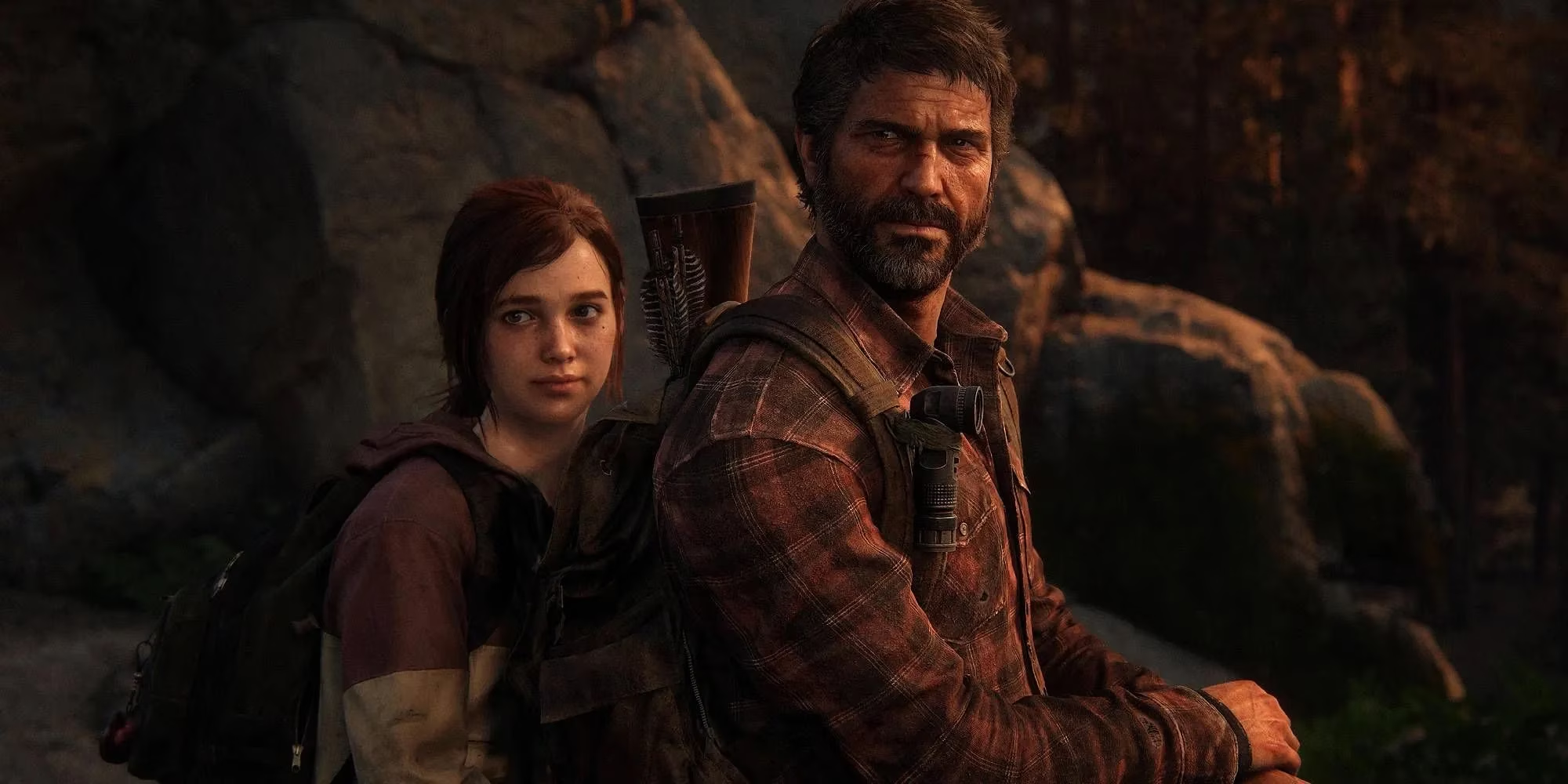
The Last of Us became a cultural touchstone for a reason, and playing it felt like absorbing a wound that never fully heals. The writers transformed a smuggler and a girl into the center of my moral universe. Joel's evolution from a hollow, reluctant protector to a man willing to doom humanity is a tightrope walk over a chasm of selfish love. I'll never forget the salt-crusted air of Salt Lake City in the final act, the raw desperation in his voice as he called Ellie “baby girl.” That single line, delivered perfectly, was the culmination of twenty hours of dialogic alchemy — it redefined what I thought games could make me feel. The narrative was a slow-acting toxin, painless at first, then irrevocable.
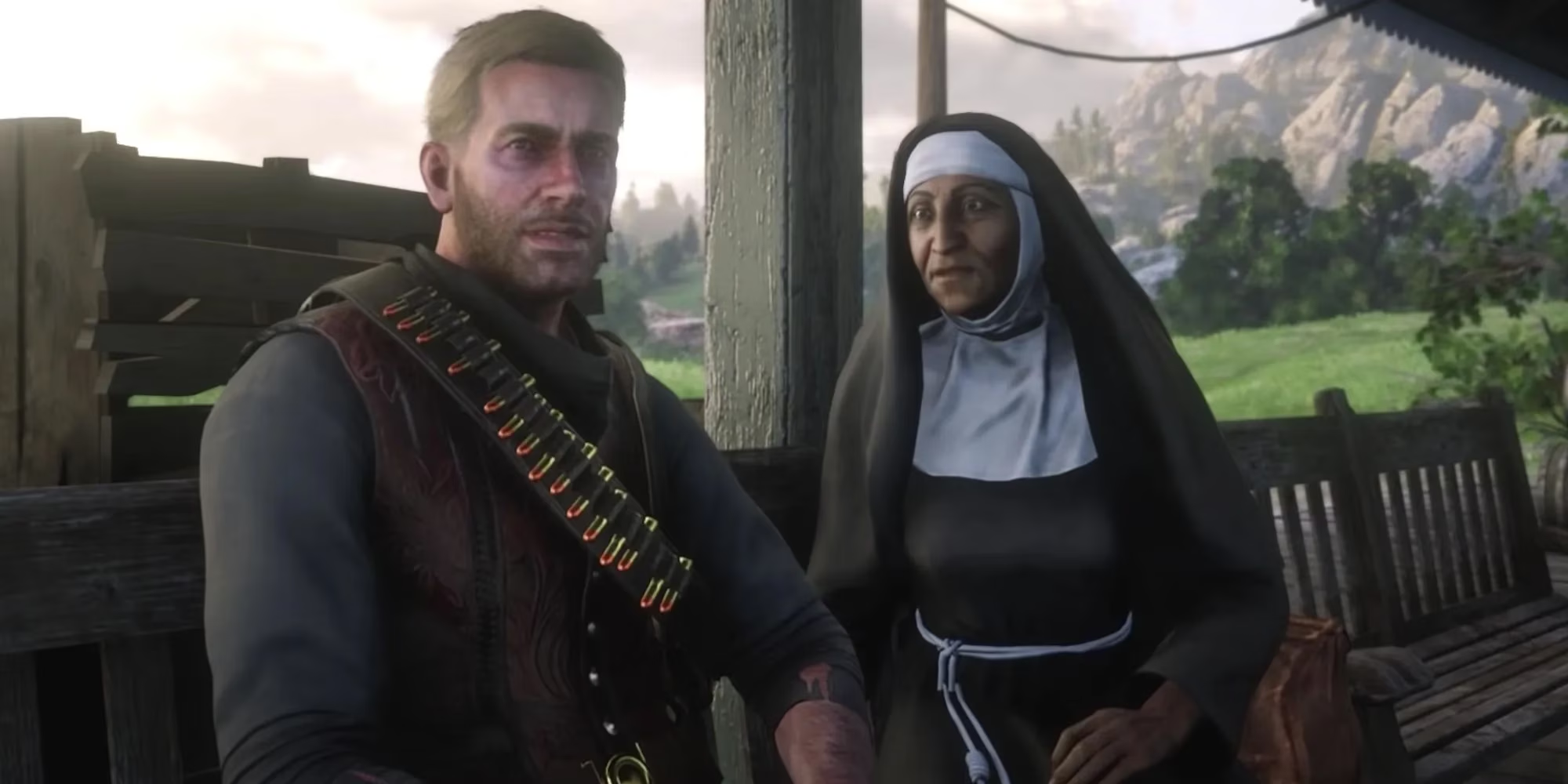
Finally, Red Dead Redemption 2 stands as an elegy carved in mud and blood. Arthur Morgan’s redemption is not marked by one grand gesture but by countless small, sunlit moments — a conversation with a nun at a train station, a quiet fishing trip with a veteran, a journal entry full of regret. Rockstar's writers built a world where even incidental NPCs breathe, and Arthur’s sinking realization that his loyalty was misplaced hits like a slow-motion avalanche. His cough, meek at first, blossoms into a countdown that gave every subsequent campfire song and sunrise a piercing melancholy. This was storytelling as a sprawling, living organism, and Arthur’s final sunrise on that mountain remains, for me, the most honest and shattering piece of writing in the entire medium.
These games have shaped my understanding of what action-adventure can accomplish. They prove that behind every adrenaline-pumping chase and tactile combat encounter, the invisible ink of a dedicated writer can leave an indelible mark. As I look ahead to the rest of 2026, I carry these stories with me — compass points of emotional craftsmanship that continue to set the bar for what truly interactive narrative can be.