
By 2021, the action genre had entered a strange pocket of calm. New releases were not absent, but the conversation kept drifting backward, toward worlds that players already knew and loved. Ranker voters turned that mood into a list, and the results read less like a chart and more like a campfire conversation among friends who could not stop recommending their favorite adventures. When players look back from 2026, that list still tells a clear story: the most durable action games were not always the newest ones. They were the ones that gave players a sense of ownership, whether through a sword, a web line, a Batmobile, or a horse in the fading light of the Old West.
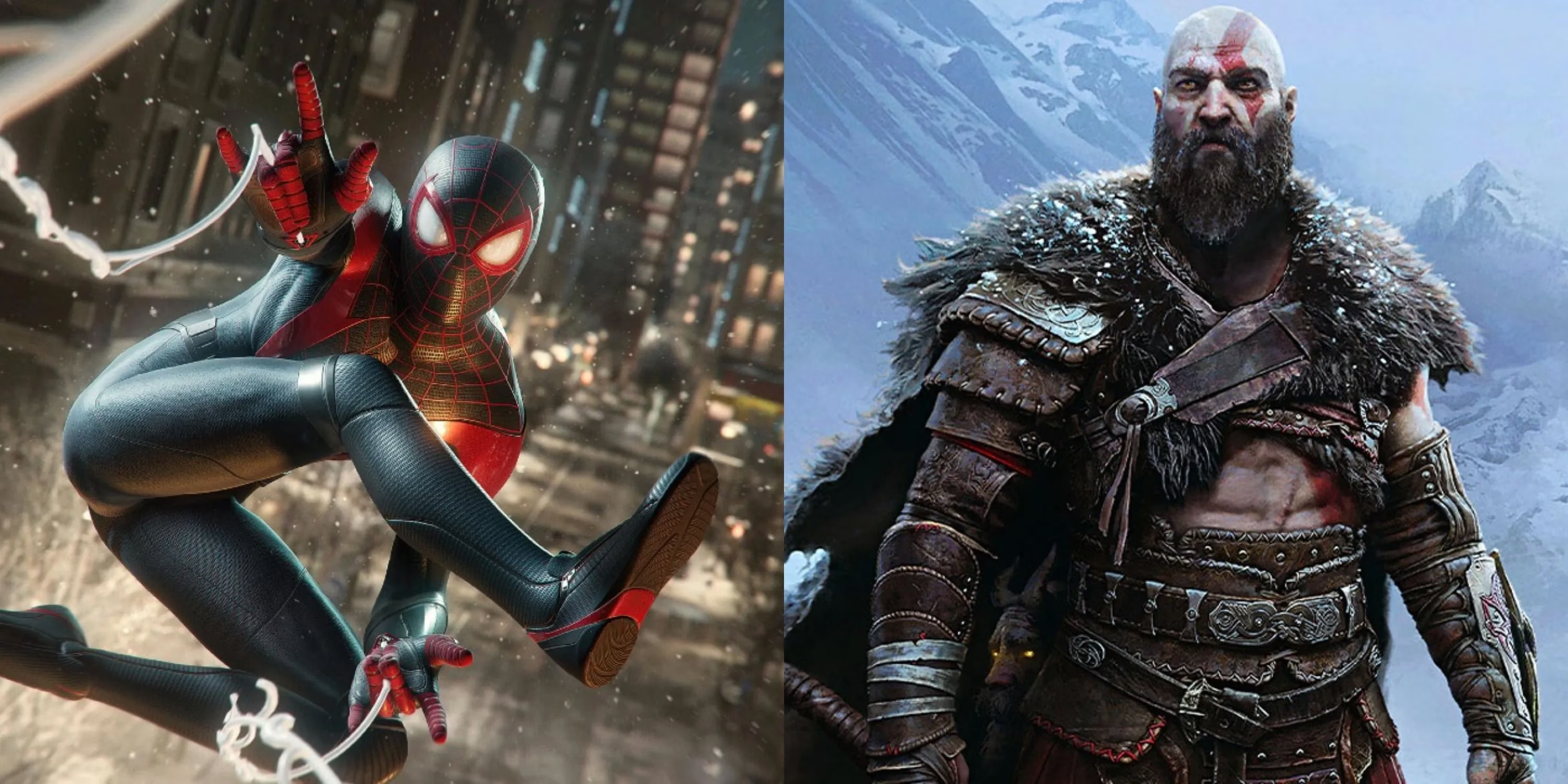
Ghost of Tsushima stood near the top of that conversation. The game placed its player on the windswept island of Tsushima as one of the last surviving samurai, and its Director's Cut gave the experience another life in 2021. The open world rewarded curiosity, with red fields, quiet shrines, and sudden duels that felt like scenes from a classic samurai film. Combat was sharp and deliberate, but the stories around Jin Sakai carried just as much weight. Years later, the game still feels like a beautiful, blood-soaked postcard from the thirteenth century.
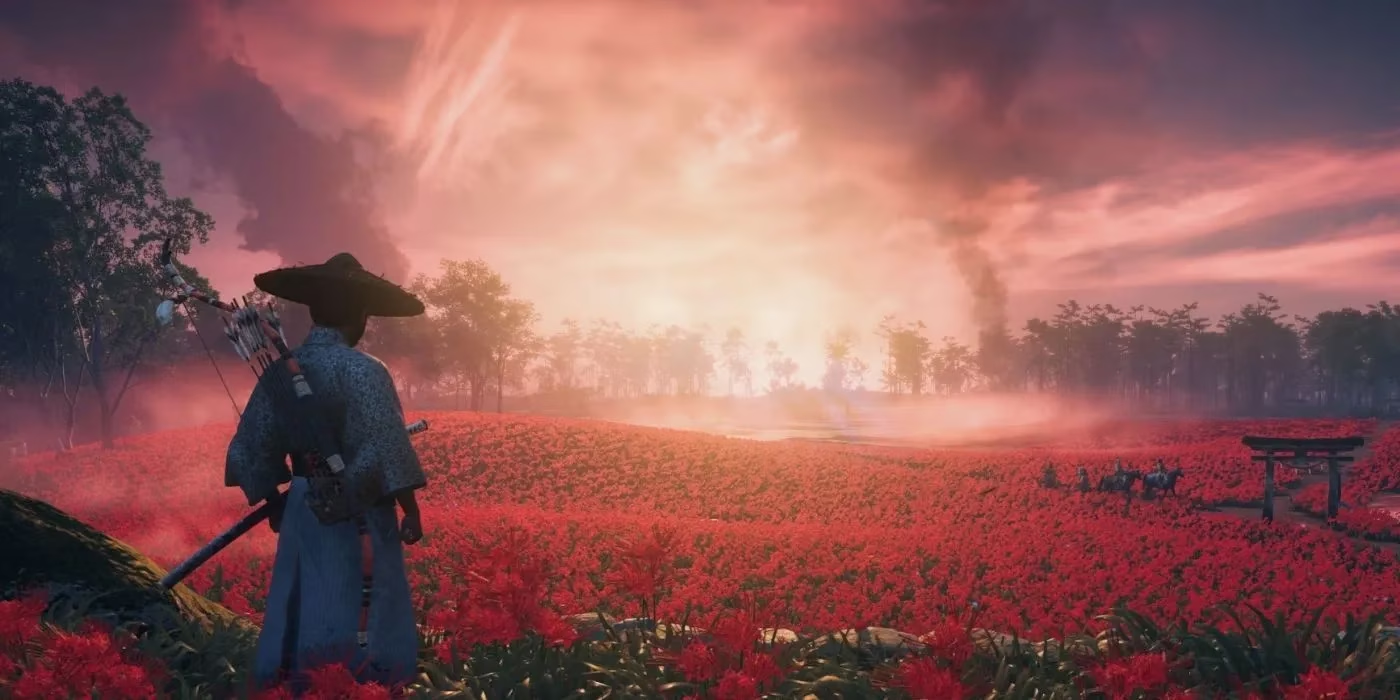
Spider-Man, the 2018 PlayStation exclusive, had already proven itself as one of the best modern superhero games. In 2021, players were still swinging through Manhattan with the same wide grin. Insomniac Games built a version of New York that begged to be explored from above, and the combat was tight enough to make every dodge and web strike feel earned. Upgrades, suit powers, and a steady stream of side activities kept the experience engaging. The game did not reinvent the superhero formula, but it hit every note with confidence.
Batman: Arkham Knight remained a favorite for players who wanted brutality wrapped in gothic architecture. Gotham City was gloomy, rain-soaked, and full of secrets, and grappling across its rooftops still felt wonderful. The game carried the Arkham series' signature blend of stealth, brawling, and detective work, while its side missions gave players plenty of reasons to return. By 2026, it had long been the last mainline Arkham title, which only made its polished combat and moody atmosphere more valuable to fans.
The Legend of Zelda: Breath of the Wild changed the shape of the action-adventure genre. Its open world did not simply invite exploration; it trusted players to find their own path. Fires could be used to create updrafts, metal weapons could attract lightning, and a distant mountain was always worth climbing. In 2021, many players returned to Hyrule while waiting for the sequel. By 2026, that sequel had long since arrived, but Breath of the Wild still stood as a masterclass in freedom and discovery.
Uncharted 4: A Thief's End brought Nathan Drake's story to a satisfying close, though the Hollywood adaptation reminded fans why the series still mattered. Naughty Dog delivered spectacle and storytelling in equal measure, with climbing sequences, puzzle rooms, and explosive set pieces that rarely allowed a dull moment. The game was cinematic without losing its sense of play, and its emotional beats gave the action real weight.
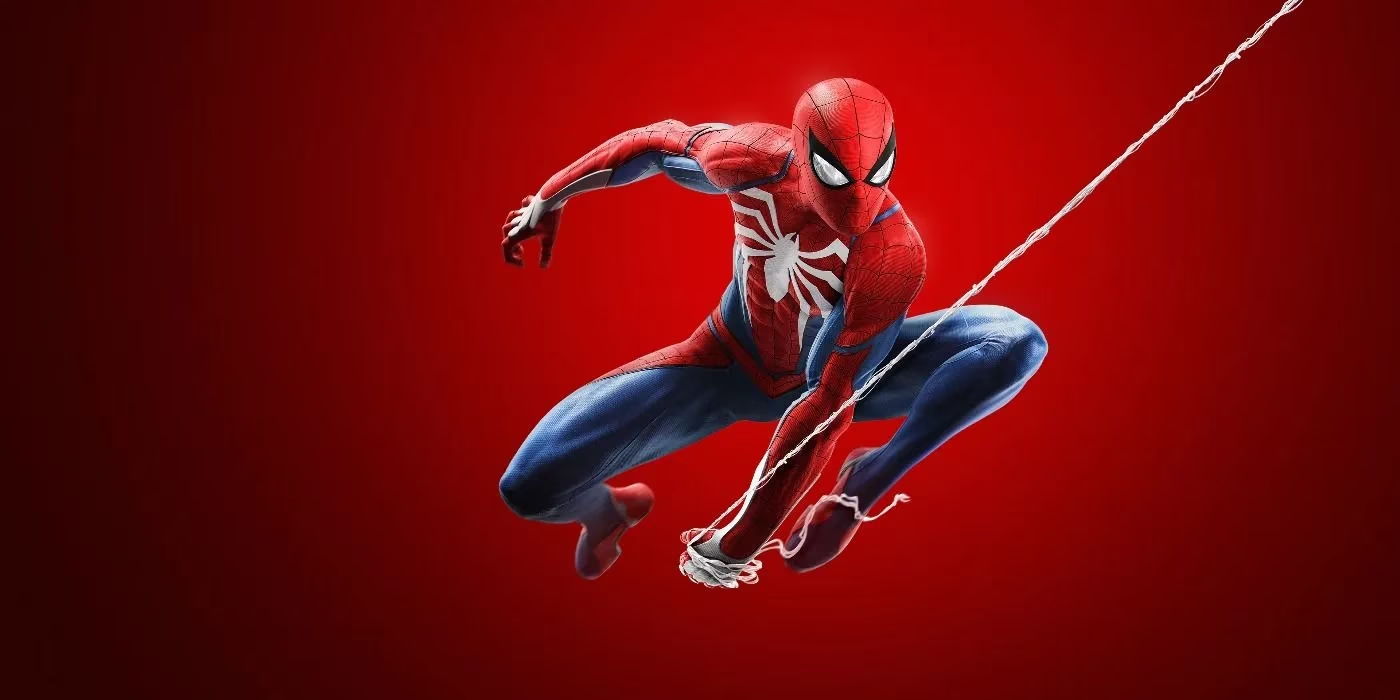
Marvel's Spider-Man: Miles Morales built on the 2018 game with a new hero, a new story, and combat that felt fresh. Miles brought electric powers and a youthful energy that made the web-slinging feel different, even when the city looked familiar. On PlayStation 5, the game looked stunning, but its real strength was how good it felt in motion. It was the kind of title players could revisit just to enjoy the movement.
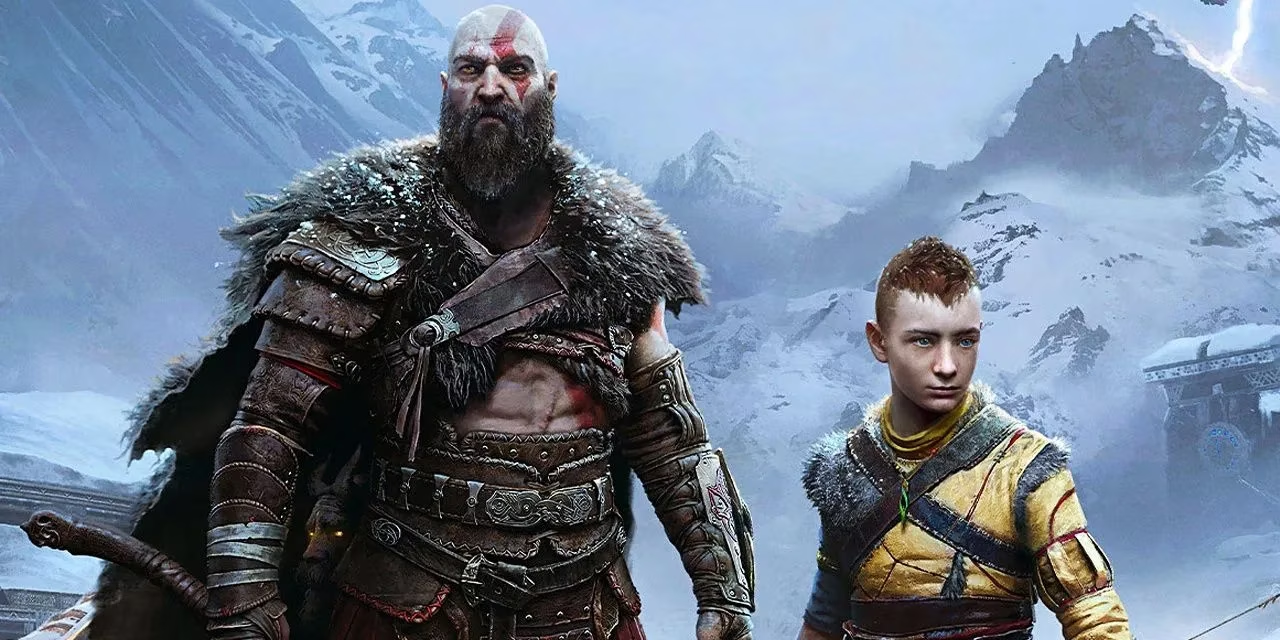
God of War, the 2018 reinvention of Kratos, was another game that kept drawing players back. The father-son relationship between Kratos and Atreus gave the brutal combat a surprising emotional core. The game was epic in scale, with towering bosses and cinematic set pieces, but it was the quiet moments that stayed with people. When the sequel eventually arrived, it only deepened the appreciation for the chapter that started it all.
Grand Theft Auto V was already an elder statesman by 2021. More than a decade after its release, it remained incredibly popular, thanks to its open world, its online mode, and re-releases on newer consoles. The game gave players an unmatched level of freedom to roam, cause chaos, and find their own fun. Some signs of age had begun to show, but Rockstar's most beloved game still refused to leave the spotlight.
The Witcher 3: Wild Hunt remained a benchmark for storytelling in open-world games. CD Projekt Red's later Cyberpunk 2077 may have struggled to meet expectations, but The Witcher 3 had already set a high bar. Its world was beautiful, its quests were memorable, and Gwent somehow became a card game that players could lose hours to. The Netflix series brought new attention to the franchise, but the game itself remained the reason many players stayed.
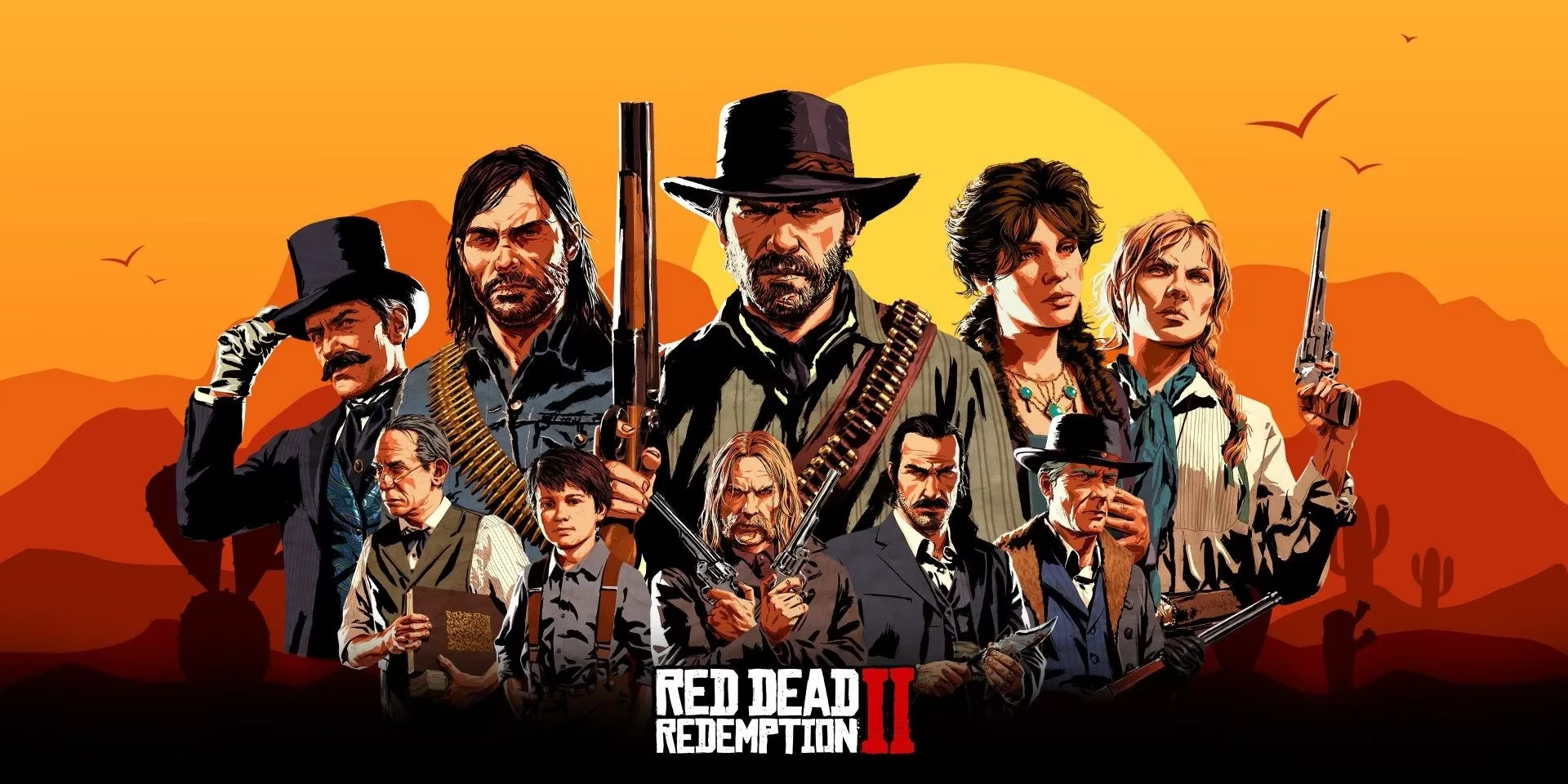
Red Dead Redemption II closed the list as the most popular action game of 2021. Rockstar's western epic was huge in every sense, from its map to its story to its level of detail. A player could spend hundreds of hours hunting, exploring, and meeting strangers on the road. The online mode had its critics, but the single-player experience was a towering achievement. Even years later, it remained a game that people talked about with reverence.
The pattern behind the list was clear. These games did not survive on novelty alone. They survived because they gave players freedom, memorable characters, and combat that felt good in the hands. By 2026, the industry had moved through many new releases, but the lessons of that 2021 vote still held. A great action game can become a place players return to, long after the credits roll and the marketing cycle fades. 🎮