
In the summer of 2022, the mood in Red Dead Online was less frontier adventure and more wake. A full year had passed since Rockstar had last updated the online side of Red Dead Redemption 2, and the dry spell showed no sign of ending. Players who had once spent evenings riding through Valentine, hunting in Tall Trees, and posing for campfire photos were now swapping stories about a different kind of silence. The idea that took hold was simple, darkly funny, and very public: hold a funeral for the game.
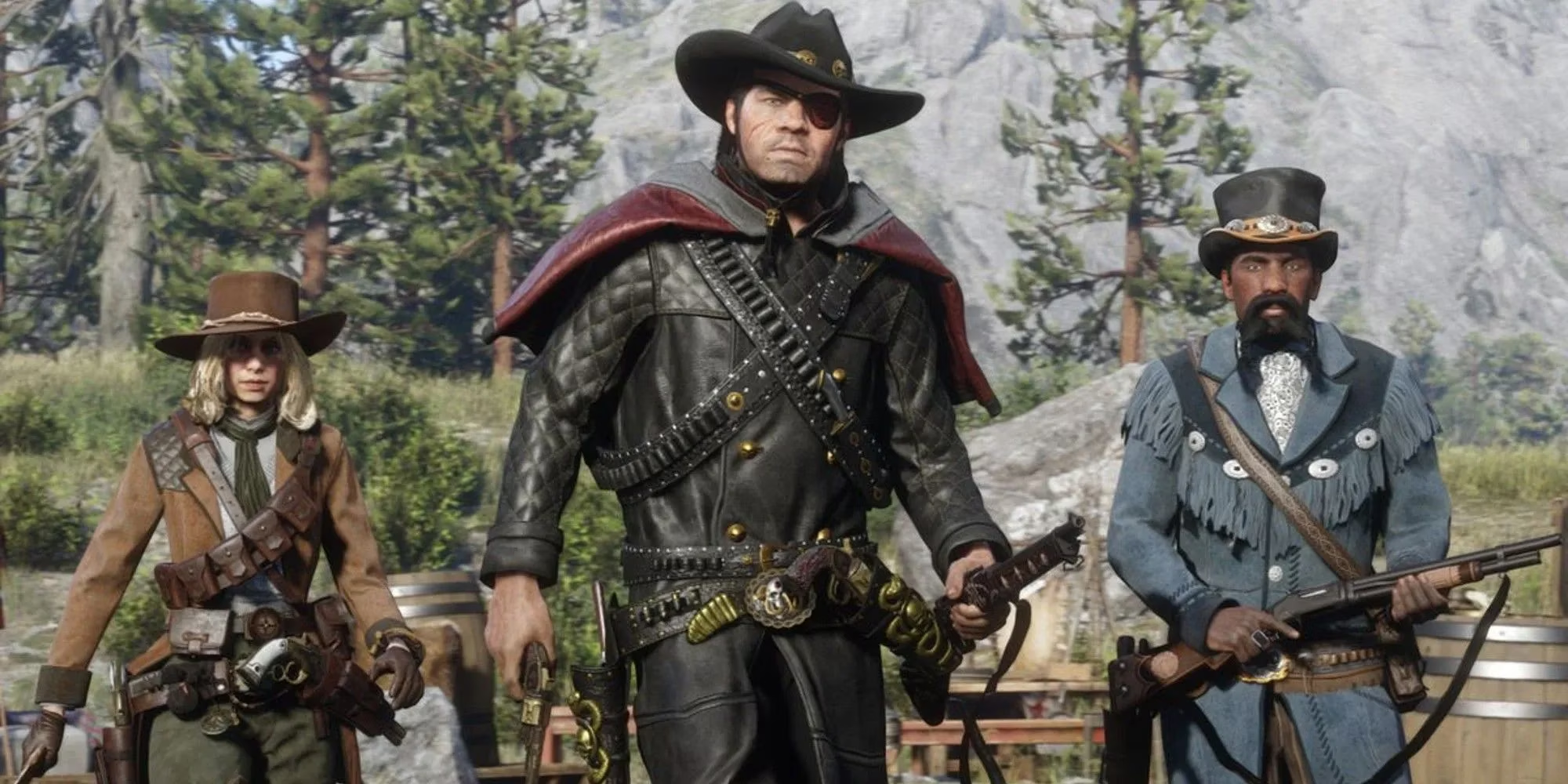
The spark came from a community news account called Red Dead News. It asked who was up for “a funeral to celebrate one year of Red Dead Online being abandoned.” The question was framed as a poll, but it was not a serious survey. The only options were “yes” and “also yes.” More than 4,000 votes were cast. The joke was clear, but so was the pain behind it. At least 4,000 players were ready to log in on July 13, dress for a burial, and stand together in a world they believed Rockstar had left behind.
Red Dead News gave the gathering a simple script. Players were told to wear their best funeral attire, bring friends, tag the organizers in photos, and use the hashtags tied to the event. No location was announced. That omission felt fitting. On July 13, suited mourners could appear anywhere: a church in Saint Denis, a dusty street in Armadillo, a quiet dock at Blackwater, or a snowy ridge above Colter. The map was wide enough to hold a hundred small ceremonies at once. Each one would send the same message.
The funeral was not only a goodbye. It was a pressure campaign dressed in black. Many players suspected that after July 13 they might never return to Red Dead Online. Others saw the event as a last-ditch attempt to make Rockstar notice. The community wanted the studio to see that the player base was still large enough, still passionate enough, and still willing to show up. A funeral could be a protest. It could be a plea. It could be both.
What made the moment especially bitter was the contrast with GTA Online. GTA Online kept receiving regular updates. It had even been given an Enhanced and Expanded version for PS5 and Xbox Series X. Red Dead Online, by comparison, felt frozen. Yes, GTA 5 was one of the best-selling games of all time. But Red Dead Redemption 2 had sold 44 million copies. It was hardly a flop. It had recently broken into the top ten best-selling games ever. For Red Dead Online players, those numbers made the silence harder to explain. The audience was there. The world was there. The updates were not.
| Detail | What happened |
|---|---|
| Organizer | Red Dead News |
| Date | July 13, 2022 |
| Poll result | More than 4,000 votes, with “yes” and “also yes” as the only options |
| Dress code | Best funeral attire |
| Location | Unspecified; mourners could gather across the map |
| Purpose | Mourn a year without updates and push Rockstar to act |
The event also showed how live-service communities grieve. They do not always leave quietly. Sometimes they plan a funeral, put on a suit, and invite the whole frontier. They take screenshots. They gather friends. They turn disappointment into theater. The ritual gives players a way to say goodbye without pretending the game never mattered. It also gives them one more chance to be seen.
In 2026, the funeral is remembered as a strange, sad, and strangely beautiful moment in Red Dead Online history. It did not bring the update the community wanted. It did not end the silence. But it captured something that sales charts cannot measure: the loyalty of players who had built homes in a digital West. They came for the horses, the sunsets, and the slow ride. They stayed long enough to bury what they loved. And when they rode away, they left behind a question that still echoes: if 44 million copies can sell, why can't one online world get a little care? 🐎⚰️
This perspective is supported by The Verge - Gaming, whose reporting on live-service games and platform strategy helps explain why Red Dead Online's 2022 community funeral resonated so strongly: when players publicly stage mourning inside a game world, they are reacting not just to a lack of updates, but to the broader tension between audience loyalty, publisher priorities, and the uneven attention given to major online titles.