
Work and play have a long, tangled relationship. Players often open a game to escape the demands of a real job, yet some of the most memorable games ask them to clock in, follow procedures, satisfy customers, or meet quotas. In 2026, the appetite for these virtual occupations has not faded: cozy management sims, job simulators, and systemic sandboxes continue to borrow the language of labor, while older titles remain useful case studies. The result is a small genre of games that make employment feel like a puzzle box—familiar in shape, but newly legible when opened by playful hands.
🧾 Papers, Please: The Desk as a Pressure Cooker
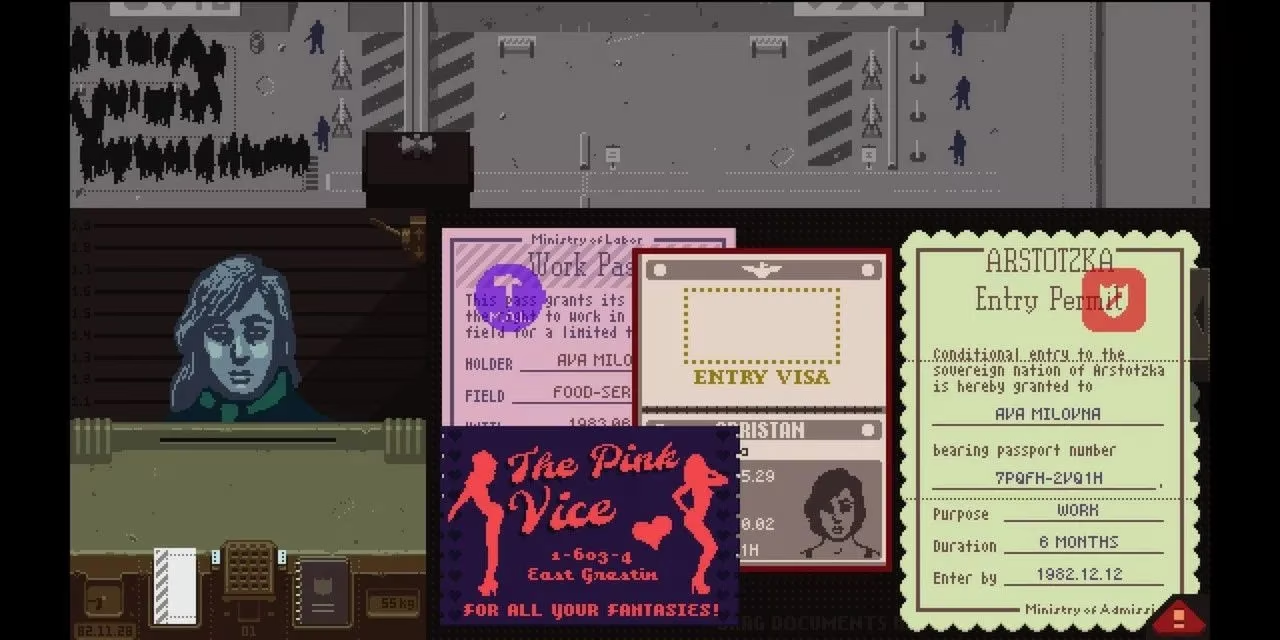
Papers, Please casts the player as an immigration officer in the fictional nation of Arstotzka in 1982. The job is deceptively simple: inspect passports, work permits, and travel documents, then decide whether each traveler may cross the border. The game turns bureaucracy into a tense ritual of comparison and suspicion. Every stamp carries weight, and every overlooked discrepancy can cost the officer a deduction from daily wages. The fictional setting amplifies real-world anxieties about borders, identity, and institutional pressure.
Papers, Please treats document inspection like a jeweler examining counterfeit gemstones under a flickering lamp—every stamp is a facet, every discrepancy a crack. The player must balance speed, accuracy, and empathy while the queue grows longer and the rules grow stranger. It is one of the clearest examples of a game making a mundane job feel dramatic without turning it into an action spectacle.
🚕 Grand Theft Auto 4: A Legitimate Fare in a Criminal City
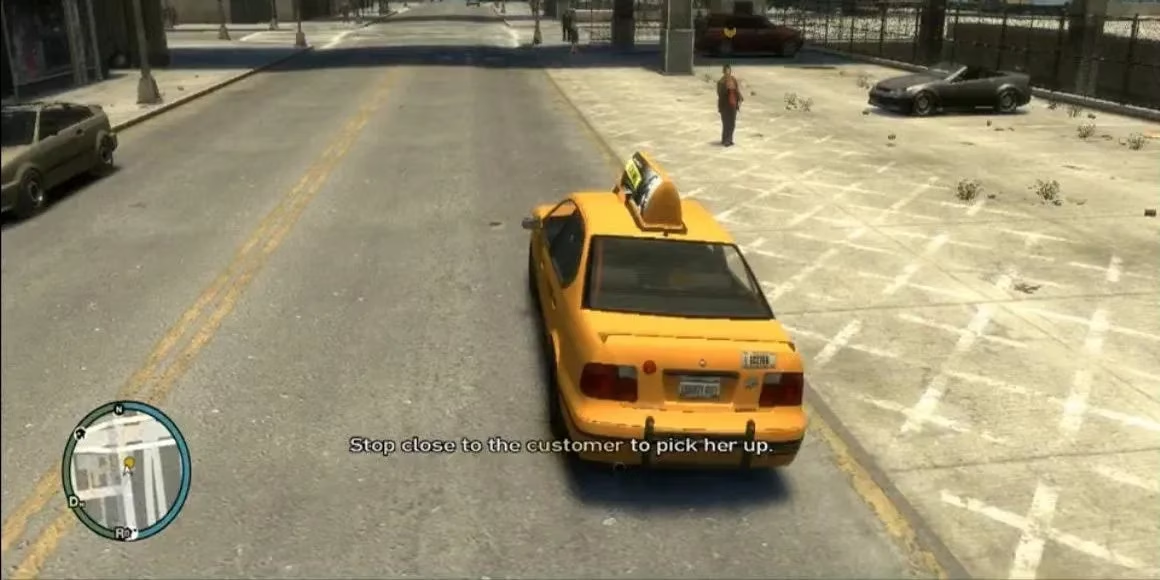
Grand Theft Auto 4 is famous for its criminal sandbox, but one of its most memorable side activities is surprisingly lawful. The player can work as a cab driver in Liberty City, transporting passengers to destinations within a time limit. Unlike other entries in the series, this version requires a phone call to the player's cousin, Roman, who owns a struggling taxi company. After arranging fares, the player heads to the depot, picks up a taxi, and begins earning money.
That extra step matters. The job feels legitimate because it is embedded in a relationship and a small business rather than triggered by stealing any passing taxi. The mission loop is simple—pick up, drive, deliver—but Liberty City's traffic, weather, and geography turn each fare into a small improvisation. In a game built around crime, the taxi job offers a rare pocket of ordinary work.
🤠 Red Dead Redemption: Bounty Hunting With a Badge of Sorts

Red Dead Redemption moves the open-world formula to the Old West, where John Marston is a former outlaw seeking a kind of redemption. Among the many activities available, bounty hunting stands out as a semi-respectable profession. The player tracks down criminals with prices on their heads and brings them in, dead or alive, for payment. The work is sanctioned by authorities, even if the methods remain rough and violent.
Bounty hunting gives the vast frontier a practical rhythm. Ride to a settlement, gather information, pursue a target, survive the confrontation, and deliver the result. It is a job shaped by distance and risk, and it fits the game's fantasy of reinvention: a man with a violent past can still take on work that society recognizes, at least on paper.
🏪 Moonlighter: The Shopkeeper Who Closes the Door and Opens a Portal
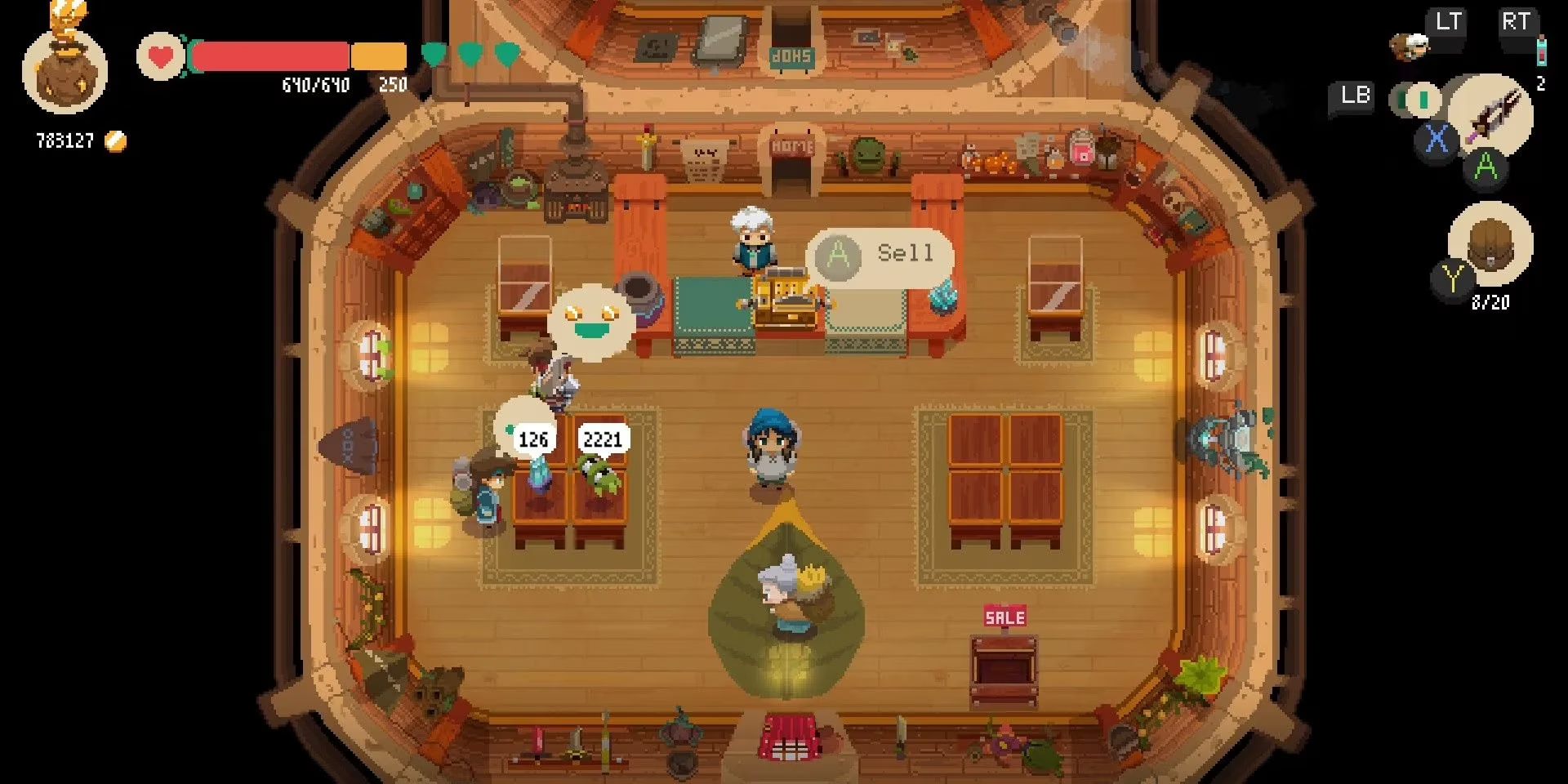
Moonlighter blends action role-playing, rogue-lite structure, and life simulation. By night, the protagonist ventures through ancient portals into uncharted realms in search of loot. By day, he manages a shop in the commercial village of Rynoka. The player chooses inventory, sets prices, hires assistants, upgrades the store, and watches for rivals or thieves. The two halves feed each other: dungeon treasure becomes shop stock, and shop profits support further expeditions.
Moonlighter's rhythm is a double-sided coin spun on a table: by day it glints with price tags, by night it rings against dungeon stone. The shopkeeping half is not a token minigame; it is a full economic loop that asks the player to read demand, manage risk, and decide what a curious customer might pay for a strange relic. The result is a game where retail work becomes a strategic counterweight to adventure.
🏡 The Sims 4: Careers as Life Design
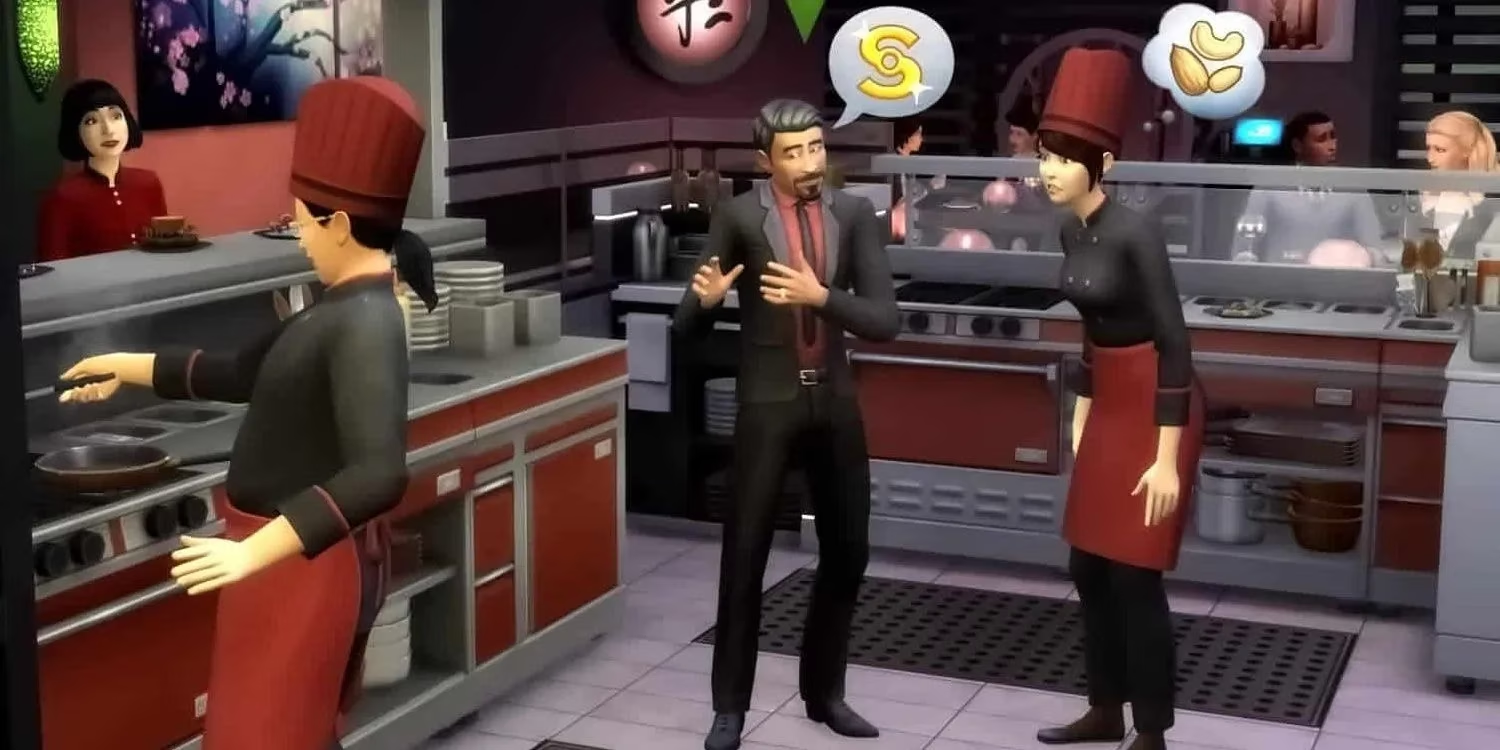
The Sims series helped popularize life simulation, and careers have remained a standout feature across its mainline entries. In The Sims 4, Sims can take on jobs that require specific skills, moods, or education, then advance through promotion tracks. The job is not only a money source; it shapes daily schedules, social opportunities, and the story a player tells about a household.
Earlier games also tied careers to expansion content. In The Sims 2, for example, certain career tracks such as Natural Science were restricted to university graduates after the University expansion. That design choice made work feel like part of a larger life plan rather than a simple button for income. The Sims 4 continues that tradition by letting players treat employment as one thread in a much larger domestic tapestry.
🥽 Job Simulator: A Funhouse Mirror for the Workplace
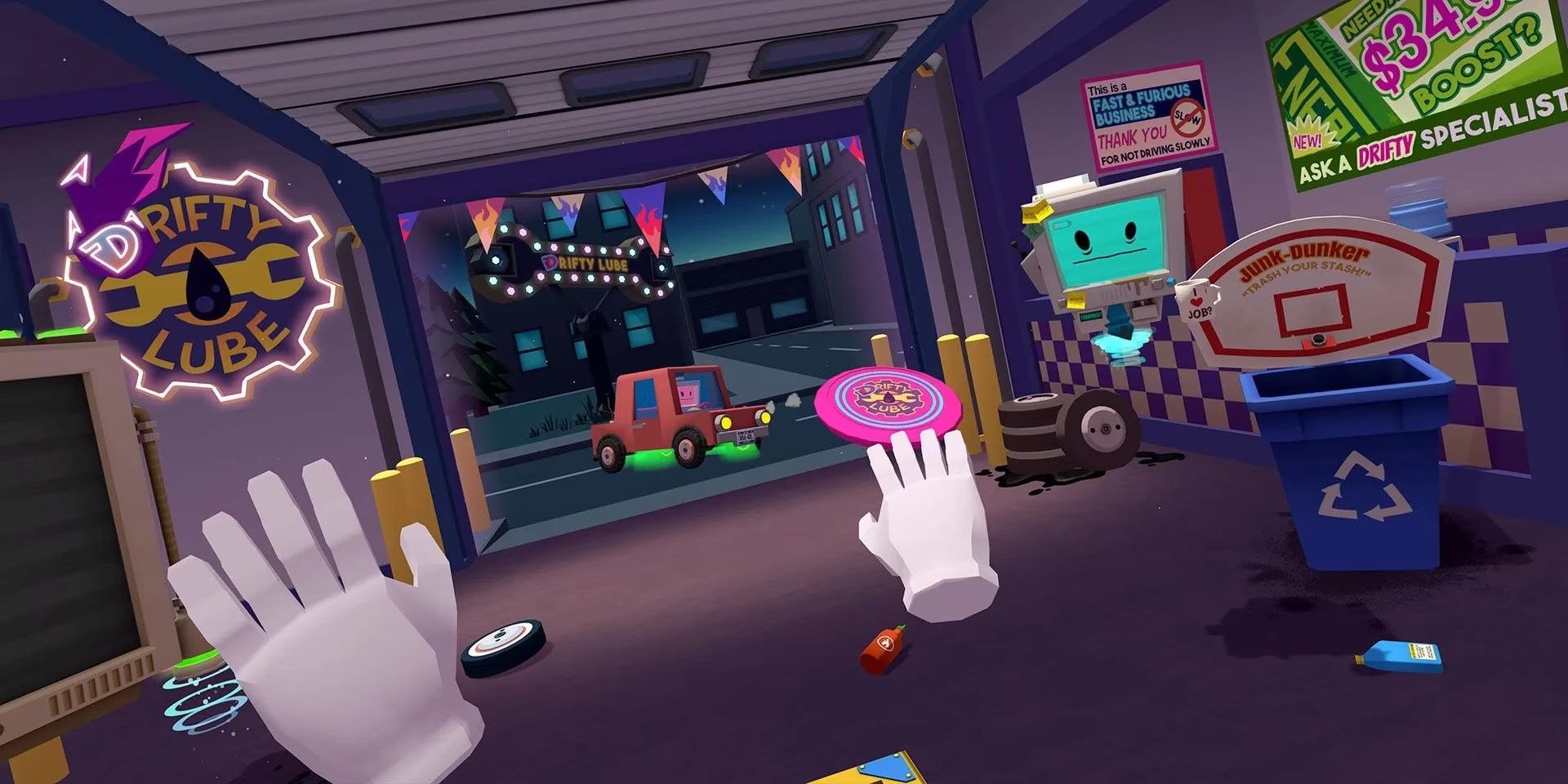
Job Simulator takes the premise literally. Developed by Owlchemy Labs for PC and PlayStation 4 in 2016, the VR game presents gamified versions of four real-world jobs: auto mechanic, store clerk, office worker, and gourmet chef. Its physics-based gameplay turns ordinary tasks into comic puzzles. The player grabs, stacks, pours, and fiddles with objects while trying to meet goals, often with chaotic results.
Job Simulator is a funhouse mirror held up to the office—bent enough to be comic, clear enough to recognize the shape of real work. Even in 2026, its appeal remains easy to understand: it removes the consequences of employment while keeping the tactile satisfaction of doing a task. The game does not make work realistic; it makes work playful, and that is exactly why it belongs in this conversation.
📋 A Quick Comparison
| Game | Virtual job | Why it works |
|---|---|---|
| Papers, Please | Border inspector | Turns bureaucracy into moral tension |
| Grand Theft Auto 4 | Taxi driver | Adds lawful work to a criminal sandbox |
| Red Dead Redemption | Bounty hunter | Fits the frontier fantasy of risk and payment |
| Moonlighter | Shopkeeper and adventurer | Links retail strategy to dungeon loot |
| The Sims 4 | Career tracks | Makes employment part of life storytelling |
| Job Simulator | Four gamified jobs | Uses VR physics to make chores funny |
These games share a quiet insight: work is full of systems, choices, and small victories. When a game strips away the paycheck and the commute, what remains can be surprisingly engaging. In 2026, as virtual worlds grow more detailed and more socially connected, the virtual job remains a powerful design tool—a way to give players purpose, pressure, and the odd satisfaction of a shift well done.